

What if humans could photosynthesize like plants? Discover why sunlight alone could never replace food and how it would transform society, science, and human life.
You wake up on an ordinary morning, already half-annoyed because you still haven’t decided between eggs or toast. As you pass the mirror, something stops you. Your skin isn’t pale or flushed. It’s faintly green, like a leaf catching the morning sun.
Warm sunlight spills through the window onto your arms. Instead of hunger, you feel a strange wave of energy spreading through your body. Breakfast suddenly feels unnecessary.
Then it hits you.
Overnight, you’ve gained the ability to photosynthesize.
Your body no longer depends on groceries, cooking, or restaurants. Just sunlight, water, and air. At first, it feels like the greatest biological upgrade in human history.
Until you realize every superpower comes with a price.
How Photosynthesis Works in Plants
Still staring at your green reflection, one question keeps running through your mind.
How is your body making food from sunlight?
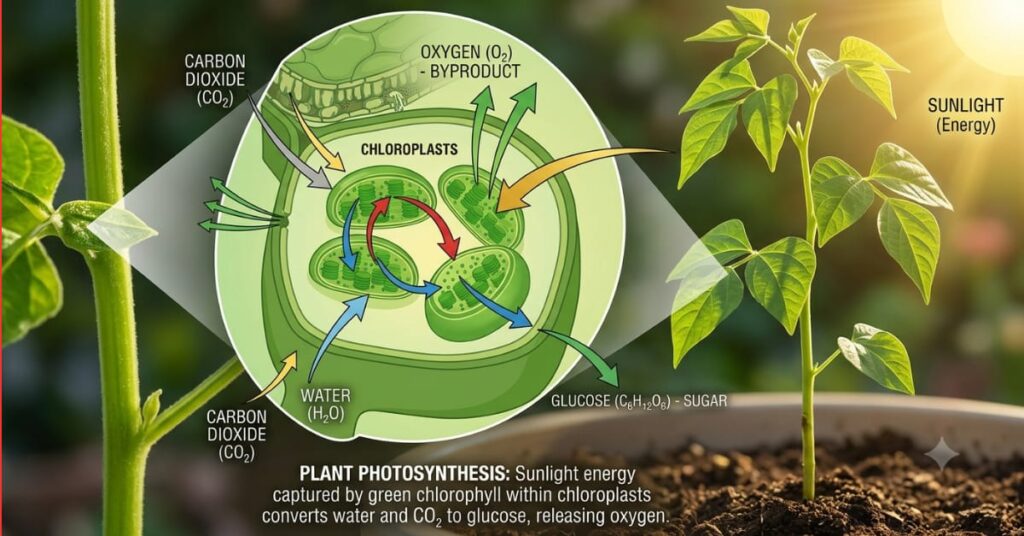
The answer has existed inside plants for billions of years. Their cells contain tiny structures called chloroplasts, filled with chlorophyll, the green pigment that captures sunlight and converts carbon dioxide and water into glucose, releasing oxygen as a byproduct.
Somehow, that same system now exists inside you. Your skin has become a biological solar panel. Every ray of sunlight triggers chemical reactions beneath the surface, producing energy without digestion.
It sounds like evolution has handed humanity the perfect shortcut.
But reality is about to prove otherwise.
What Happens If Humans Could Photosynthesize?
Initially, it feels incredible. Hunger fades, and without thinking, you begin seeking out every patch of sunlight. Standing by a bright window suddenly feels as natural as sitting down for breakfast once did.
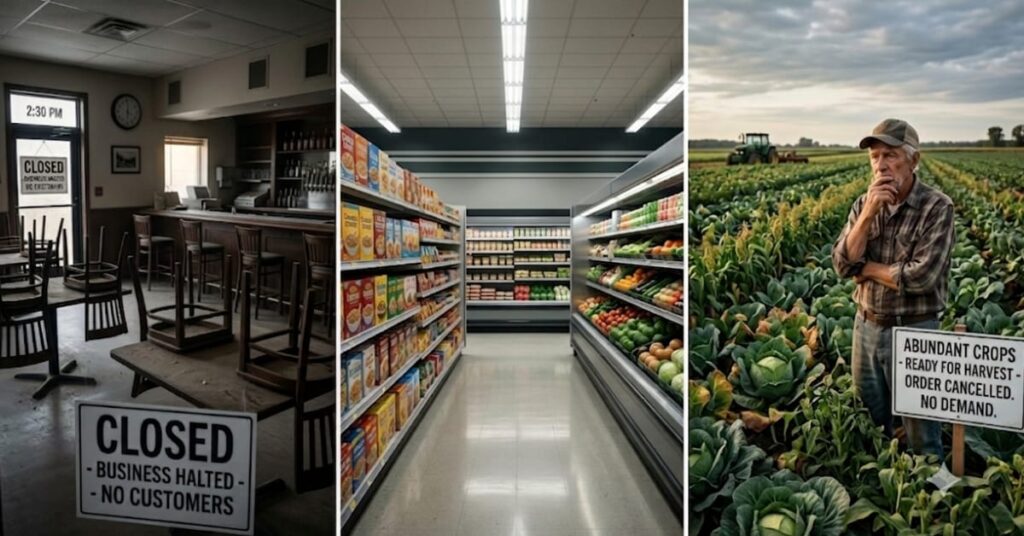
As the days pass, the changes spread beyond you. Restaurants grow quieter, grocery stores empty more slowly, and farms begin producing more food than people need. An economy built around hunger starts to shift.
For you, life seems simpler. No meal planning, no grocery lists, no constant “What should I eat?” running through your mind.
But beneath your skin, your body is quietly solving an impossible equation, and you’re about to discover that sunlight alone is nowhere near enough.
The Energy Gap: Why Sunlight Isn’t Enough for Humans
Then reality catches up.
An average human needs around 2,000 calories a day, yet even a leaf in perfect sunlight produces only a fraction of that. Photosynthesis works for plants because they live low-energy lives; humans don’t, which creates a serious mismatch between biology and ambition.
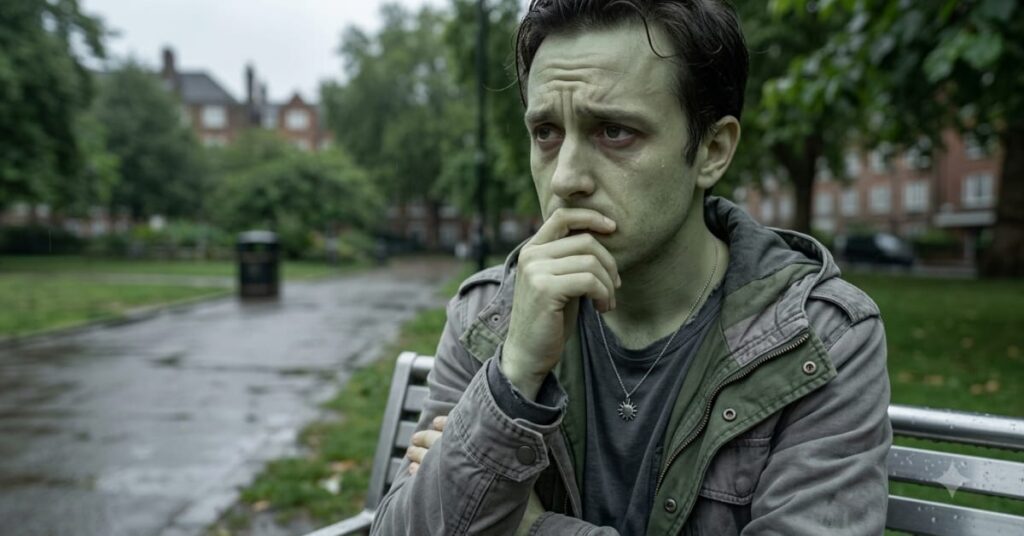
Suddenly, your green skin feels less like a superpower and more like a poor solar panel. To meet your energy needs through sunlight alone, your body would require far more surface area: something closer to broad leaves than upright human limbs.
Cloud cover drains you. Winter begins to feel dangerous. Even standing in the shade comes with a cost. Without thinking, your body turns instinctively toward every patch of sunlight, and for the first time, you catch yourself wishing our Sun would suddenly swell into a red giant… until you remember why that would be the worst idea imaginable.
One Month Later: Life Revolves Around the Sun

A month later, your life barely resembles the one you had before. Morning walks are no longer casual; they are carefully timed to capture every possible ray of sunlight. You plan your day around clear skies the way you once planned it around breakfast, lunch, and dinner.
Even your monthly get-together with friends changes. Instead of meeting at your favorite restaurant for dinner, everyone agrees to gather in a sunny park at noon because that’s when your bodies work best.
Indoor spaces begin to feel surprisingly expensive. Sitting by the window, you catch yourself inching closer to the light, while your home, once a place of comfort, slowly starts feeling like a patch of permanent shade.
The changes don’t stop there. Photosynthesis consumes enormous amounts of water; no matter how much you drink, the same sunlight fueling your body is quietly drying you out.
By now, the excitement has faded. What once felt like freedom has become dependence, and your entire life is running on a schedule written by the sky.
Economic Shock: When Food Stops Being Central
A few months later, you realize the transformation extends far beyond your own life. Entire economies begin reorganizing around sunlight instead of food, and countries blessed with long, bright days suddenly hold the greatest advantage.
Real estate follows the same pattern. Homes with large balconies and rooftop gardens become more valuable than luxury apartments, while living in the shade feels less like an inconvenience and more like a biological disadvantage.
The world you grew up in quietly reshapes itself. Food is no longer at the center of civilization; sunlight is. What began as a biological upgrade has become one of the greatest economic shifts in human history.
Social Changes: Green Skin and a New Human Identity
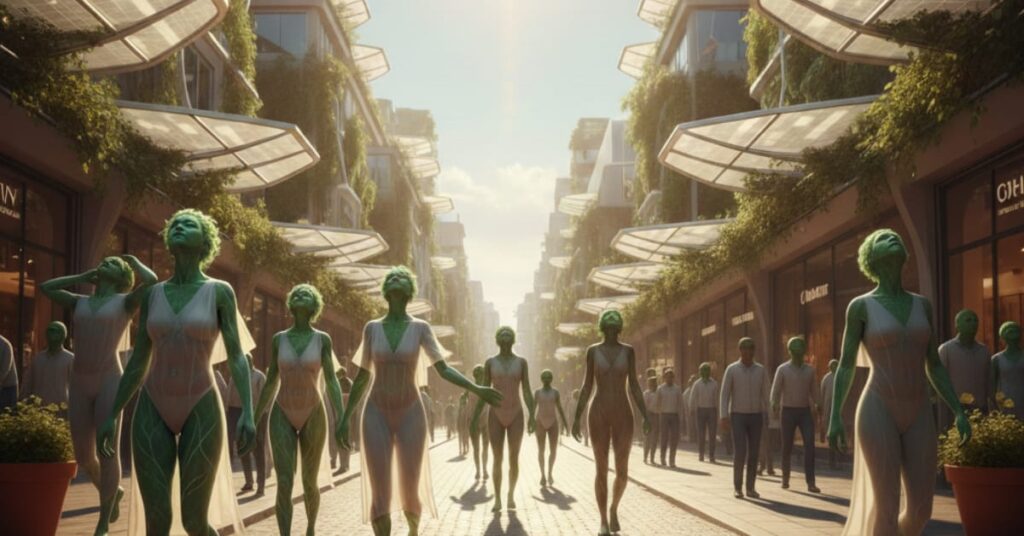
Months later, the green tint in your skin no longer attracts attention; everyone looks the same now. Instead, people notice something else: who spends the most time in the sun. Sunlight becomes the new status symbol, and inequality doesn’t disappear; it simply changes shape.
You leave home wearing a jacket, only to watch people peel off layers the moment they step outside. Clothing becomes a trade-off between comfort and survival. After a few cloudy days indoors, your body already feels weaker, reminding you how completely your life now depends on the sky.
Then night falls.
For the first time, darkness feels unsettling. There is no late snack or quick source of energy; you simply wait for sunrise, hoping tomorrow brings clear skies. The helplessness settles in, much like what happens during a panic attack, when your body feels trapped even though there is nowhere to run.
Then your family cancels its annual festive dinner and plans a sunrise gathering instead. But if thick clouds cover the sky that morning, the celebration quietly falls apart because everyone is too drained to enjoy it. That’s when it finally sinks in. Meals were never just about calories; they were where traditions lived, memories were made, and families stayed connected.
Food was never just fuel.
It was culture.
Could Humans Actually Photosynthesize?
Then you blink.
You’re back in your bedroom, standing in front of the mirror. Your skin is its usual color, not green at all. The sunlight spilling through the window feels warm but ordinary, and your stomach reminds you that breakfast isn’t optional after all.
That’s because biology is far less forgiving than fantasy. Human cells would treat chloroplasts as invaders, and even if they survived, your metabolism is far too demanding for sunlight alone to keep you alive.
At best, photosynthesis could provide only a tiny fraction of the energy your body needs. Relying on it would quickly lead to malnutrition rather than freedom.
For now, the green dream remains just that, a fascinating thought experiment rather than a biological possibility.
What If Humans Really Could Photosynthesize?

You head to the kitchen and finally make that breakfast you almost skipped. Somehow, it feels more meaningful than it did a few minutes ago.
If humans could photosynthesize, life might seem effortless at first. In reality, sunlight could never sustain a body as energy-hungry as ours.
More importantly, food was never just fuel. It built families, celebrations, traditions, and cultures long before it filled stomachs. The next time you share a meal, remember that you’re nourishing more than your body.
You’re feeding what makes us human.
And if you enjoyed imagining a world shaped by sunlight, explore what would happen if the Sun suddenly shone brighter at night.
Sources
The following sources were consulted while writing “What If Humans Could Photosynthesize Like Plants?”
- Thought experiment: What if humans had chlorophyll in their skin?
https://www.sciencefocus.com/the-human-body/thought-experiment-what-if-humans-had-chlorophyll-in-their-skin - What if humans had photosynthetic skin?
https://www.livescience.com/what-if-humans-had-green-skin-photosynthesis.html - What If Our Body Could Make Food Like Plants Do Using Sunlight? https://www.scienceabc.com/nature/what-if-all-organisms-in-the-world-could-photosynthesize-like-plants.html
- The images in this blog are created with the support of an AI tool and reviewed by the author.




Comments