

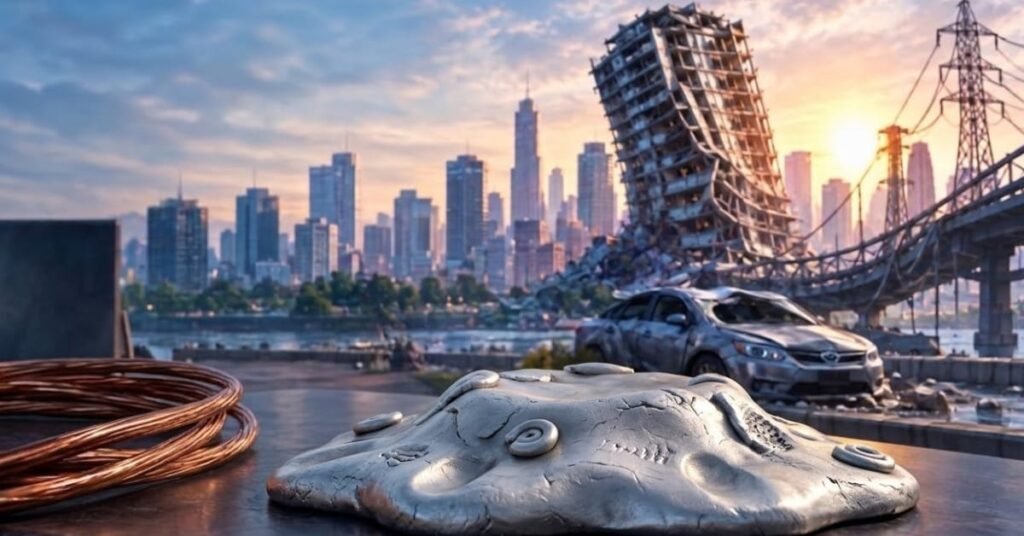
What if metals suddenly became soft like clay? Explore how collapsing buildings, failing vehicles, and power grid failures could reshape human civilization.
You sit down to eat and notice your spoon has bent out of shape. Annoyed, you straighten it with your fingers, then pause. The metal yields like modeling clay.
You bend it again, then reshape the bowl into a crooked hook. A grin spreads across your face. Perhaps you no longer need to replace your battered cutlery set. You can simply mold it back into shape.
Then your fork’s prongs curl under the slightest pressure, and your knife bends against the cutting board.
Outside, a parked car suddenly slumps as its frame buckles under its own weight.
Your smile fades as you notice something far more unsettling than your bent cutlery. Steel, iron, copper, and aluminum remain solid, but they have lost the strength to resist forces they once handled easily.
What feels like a convenient discovery at breakfast is about to bring the world to its knees.
When Everyday Metal Objects Start Bending

You glance at your mobile, its metal frame slightly warped in your grip. Behind you, kitchen shelves sag under their dishes, and a door hangs crookedly from its frame. Outside, a metal gate droops between its posts as its weakened hinges struggle to hold it in place.
Metal has not melted. It remains solid, but it has lost much of its ability to resist deformation. Objects bend under loads they once handled easily.
You look up at the building across the street. If its steel supports have lost enough strength, the structure may no longer safely bear its own weight.
When Buildings and Bridges Begin to Collapse
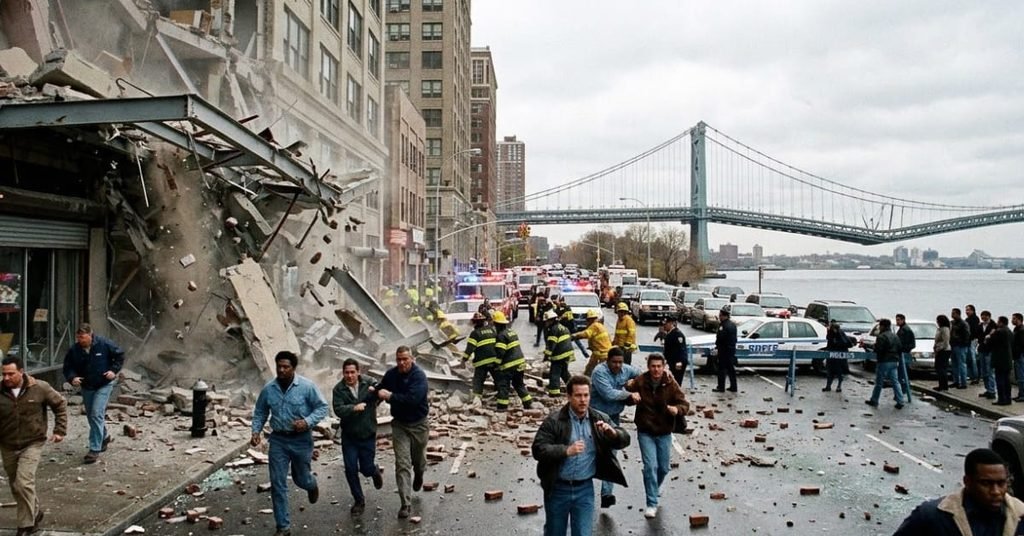
You hurry down the street as a steel canopy groans overhead. A support buckles above a shop entrance, sending debris onto the pavement as people flee.
Nearby, a building’s steel supports deform under the weight of its floors. Weakened connections trigger a partial collapse, trapping people beneath the debris. Emergency crews rush in, but damaged roads and unstable structures make rescue dangerous.
You reach a bridge just as police stop traffic. Its steel cables have stretched, and parts of the structure are sagging under their own weight. Across the river, commuters are stranded with no safe route across.
You turn toward the railway station, hoping to escape the city before the damage spreads further.
What Happens to Cars, Trains, and Airplanes When Metals Become Soft?

At an intersection, a car’s front wheel buckles. The driver swerves into a parked vehicle, and people scatter. As axles, steering components, and brakes deform, abandoned cars begin blocking the streets.
You reach the railway station, but trains stand idle while staff assess the weakened tracks and components. Services are suspended to prevent derailments, leaving passengers stranded.
By late afternoon, you reach the airport. The departure board fills with cancellations as airlines ground flights and assess the risks. Aircraft rely on strong metal components, from landing gear to structural supports. If these deform under stress, flying becomes dangerously unpredictable.
Arguments erupt at the check-in counters. Children cry as families struggle to find a way home, and panic spreads through the terminal.
As you leave the airport, the city’s communication network begins to fail.
How Soft Metals Disrupt Electricity and Communication
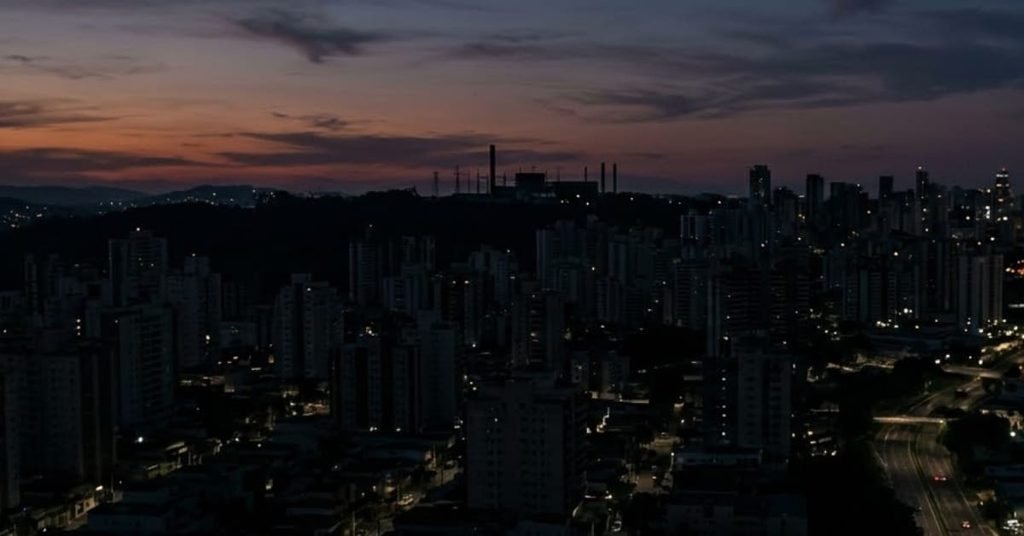
After sunset, power outages spread across the city.
Power lines sag, transmission towers buckle, and damaged connections force substations offline. Metal still conducts electricity, but weakened infrastructure can no longer deliver it reliably.
Your phone loses its signal as network equipment shuts down. Water pumps stop in some neighborhoods, and refrigeration units fall silent.
The crisis now threatens the essential services that keep cities running.
How Soft Metals Disrupt Hospitals, Factories, and Food Supplies
At a nearby hospital, staff move patients away from damaged areas and check which equipment remains safe to use. Devices with weakened metal components may malfunction, forcing medical teams to work with limited supplies.
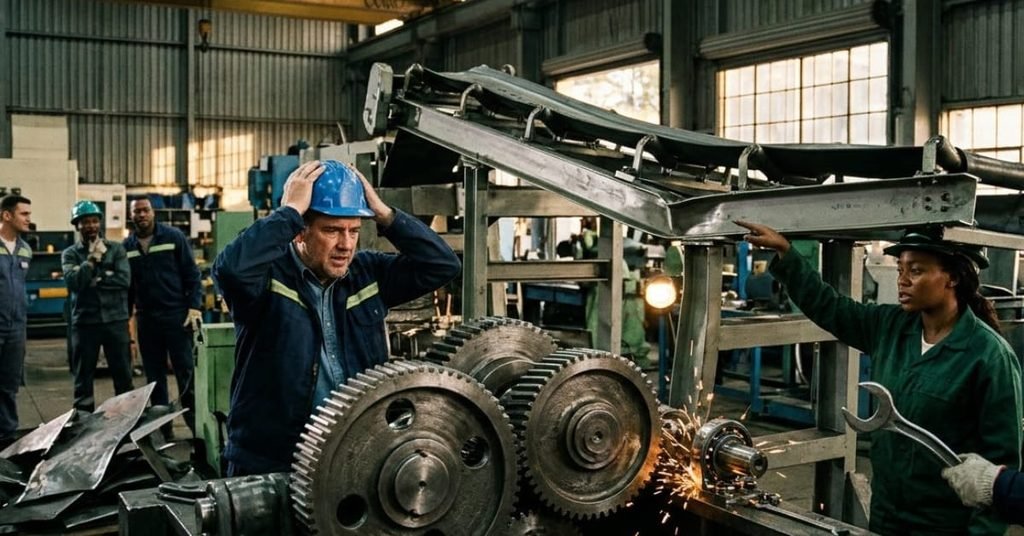
Factories grind to a halt as gears deform, machine frames lose alignment, and tools bend under pressure. Even undamaged buildings cannot keep production running if their machinery no longer works reliably.
Food supplies soon come under pressure. Farm machinery breaks down, processing plants stop, and damaged transport networks delay deliveries. Without reliable refrigeration, perishable food spoils before it reaches shops.
You enter a nearby shop and find its shelves nearly empty. Food still exists, but disrupted transport and storage make it harder to reach consumers.
Can Civilization Survive Without Strong Metals?
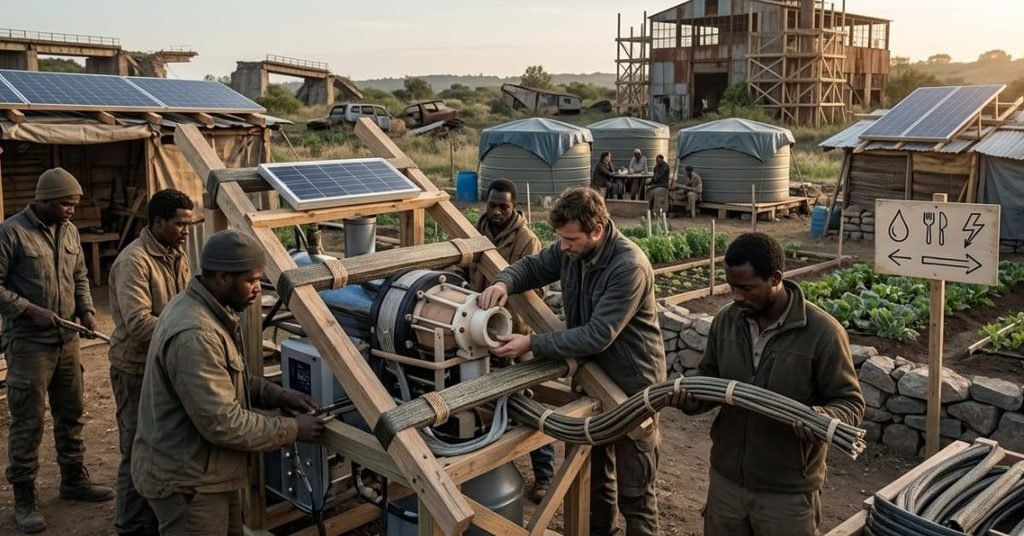
Weeks later, you watch engineers test wooden supports and fiber-reinforced composites as they search for substitutes for weakened metals. Some repairs hold, but replacing complex industrial components proves far harder.
You discover why when the local factory remains silent. Wood cannot replace every precision machine part, and ceramics cannot provide the electrical conductivity metals once supplied. No single substitute offers the same combination of properties.
Your community focuses on clean water, food production, shelter, and essential services. Areas with accessible resources recover faster, while others struggle with prolonged shortages.
Essential services gradually return, but recovery remains uneven. You begin to wonder whether civilization can ever return to normal if metals never regain their strength.
What If Metals Never Regain Their Strength?

Decades later, you live in a world reshaped around materials that can still bear weight. Some cities have rebuilt with alternatives, but aircraft, high-rise buildings, and heavy industries remain difficult to restore.
Technology continues to advance, yet every invention faces the same challenge: finding materials that withstand stress, heat, and repeated use. Progress comes unevenly, and some technologies never return to their former scale.
Modern civilization depends on more than metal’s abundance. It depends on materials holding their shape under pressure, keeping connections secure, and supporting structures as engineers intend.
Without that reliability, rebuilding the world becomes a challenge that spans generations.
Reality Check: Can Metals Actually Become Soft Like Clay?

Metals can soften when heated, and their strength and stiffness depend on their composition, microstructure, temperature, and treatment.
Their atomic structure and chemical bonds help determine how they respond to applied forces. But no known physical mechanism can make every metal on Earth suddenly bend like clay.
Stiffness describes resistance to elastic deformation, while strength measures how much stress a material withstands before permanently deforming or failing. A metal can be flexible yet strong, or stiff but brittle.
This scenario remains a thought experiment, not a predicted scientific event. Its consequences depend on how drastically metal properties change and which properties remain intact.
You finish breakfast, set down your perfectly rigid spoon, and head to the crockery store for a new cutlery set. After imagining a world where every metal bends like clay, replacing a few spoons feels like a bargain.
Sources
The following sources were consulted while writing “What If Metals Suddenly Became Soft Like Clay?”
- Explainer: What is a metal?
https://www.snexplores.org/article/explainer-what-is-a-metal - Metals
https://depts.washington.edu/matseed/mse_resources/Webpage/Metals/metals.htm - Metal
https://www.britannica.com/science/metal-chemistry - Metal Strength and Stiffness: What’s the Difference?
https://www.thermofisher.com/blog/metals/metal-strength-and-stiffness-whats-the-difference/ - The images in this blog are created with the support of an AI tool and reviewed by the author.




Comments