


What happens if you never fart again? Discover the science behind intestinal gas, trapped pressure, bloating, and why farting is essential for digestive health.
You are sitting in a packed conference room halfway through an important meeting while your manager clicks through endless quarterly reports on a glowing presentation screen. The room stays painfully quiet except for keyboard taps and the occasional cough. Then your stomach tightens.
Before you can stop it, a fart slips into the silence.
For one horrifying second, time seems to freeze. You keep staring at your laptop while your brain desperately tries to figure out whether anyone heard it or noticed the smell. Suddenly, farting no longer feels like a harmless bodily function. It feels like a social disaster you wish your body could permanently erase.
But what if it actually did?
At first, never farting again sounds amazing. No awkward silences, no embarrassing elevator moments, and no panic during quiet meetings. Yet that relief raises a far more uncomfortable question. Is farting really useless, or is your body quietly depending on it to stay healthy?
To understand what happens when your gut goes silent, you first need to understand why your body produces gas in the first place.
Why Do You Fart in the First Place?
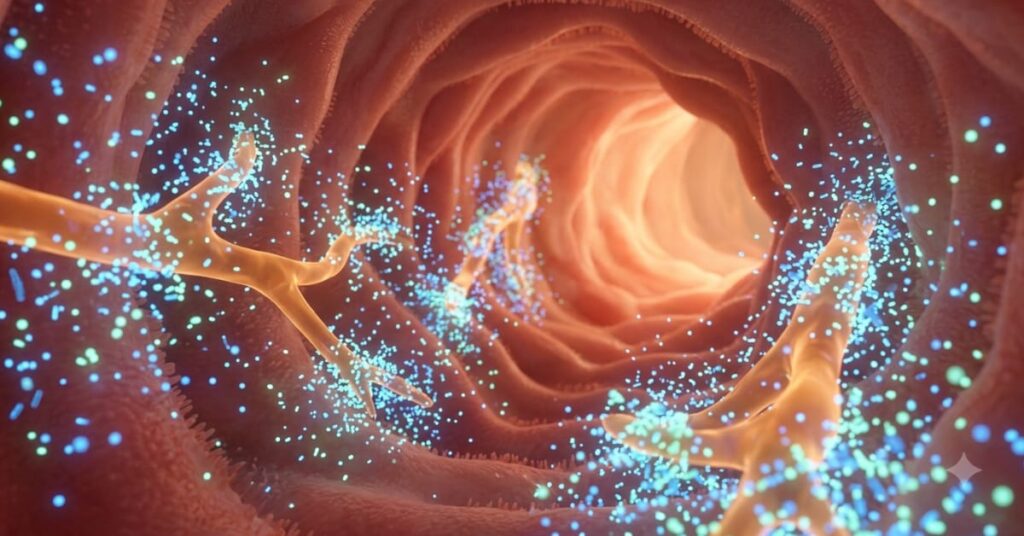
Your body rarely repeats an action without a reason, and farting is no exception. Food does not simply disappear after you swallow it. As it moves through your digestive tract, trillions of bacteria break down complex fibers you cannot process on your own and release gas in the process, which is exactly why your gut would struggle if those bacteria suddenly disappeared.
That gassy feeling is not a sign of malfunction. It is evidence that your gut is active and functioning exactly as it should. Once you stop treating farting like an embarrassing glitch and recognize it as a vital biological process, a more unsettling question surfaces. What happens when your body can no longer release that pressure?
First 24 to 48 Hours Without Farting: The Quiet Build-Up
During the first 48 hours without farting, everything feels surprisingly normal. You might even feel relieved. With no awkward sounds or embarrassing moments, the silence feels oddly comforting for a short while.
However, your digestive system refuses to cooperate with this new rule. Digestion continues exactly as it always has. Gas keeps forming, but now it has nowhere to go. Subtle changes begin to surface as your stomach feels tight and that familiar feeling of fullness lingers. Even your favorite sandwich may suddenly feel heavy after a few bites. Because nothing truly hurts yet, it is easy to dismiss these signs.
This is where the science kicks in. On an average day, your gut produces roughly 0.6 to 1.8 litres of gas from swallowed air and bacterial fermentation. During this initial window, the buildup itself isn’t abnormal. It is simply your body continuing its usual work without an exit strategy. As this trapped air accumulates, pressure rises inside your intestines, quietly setting the stage for what happens next.
One Week Later: Pressure Turns Into Discomfort
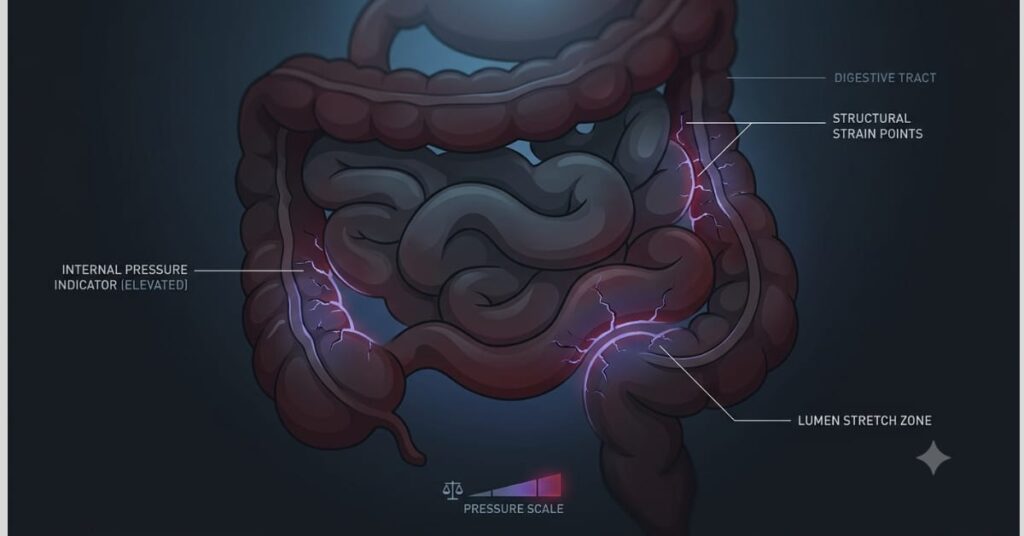
By the time a week passes, the idea of a “silent gut” loses all its appeal. You might still feel socially victorious, but inside your body, the celebration is over.
Bloating settles in like an unwelcome guest while your stomach feels tight nearly all day. Even small meals suddenly feel heavy, much like the exhaustion and internal imbalance that appear when your body stops getting enough water. With no way for trapped gas to escape, your intestines stretch and strain under constant pressure.
As the discomfort builds, concentration becomes harder. Work, conversations, and even sitting still start feeling exhausting, and the mental strain begins resembling what happens during a panic attack, when your body hijacks your focus entirely. After seven days without releasing that pressure, the discomfort stops feeling minor and demands your full attention.
And unfortunately, this is only the beginning.
One Month Without Farting: When Your Gut Starts Suffering
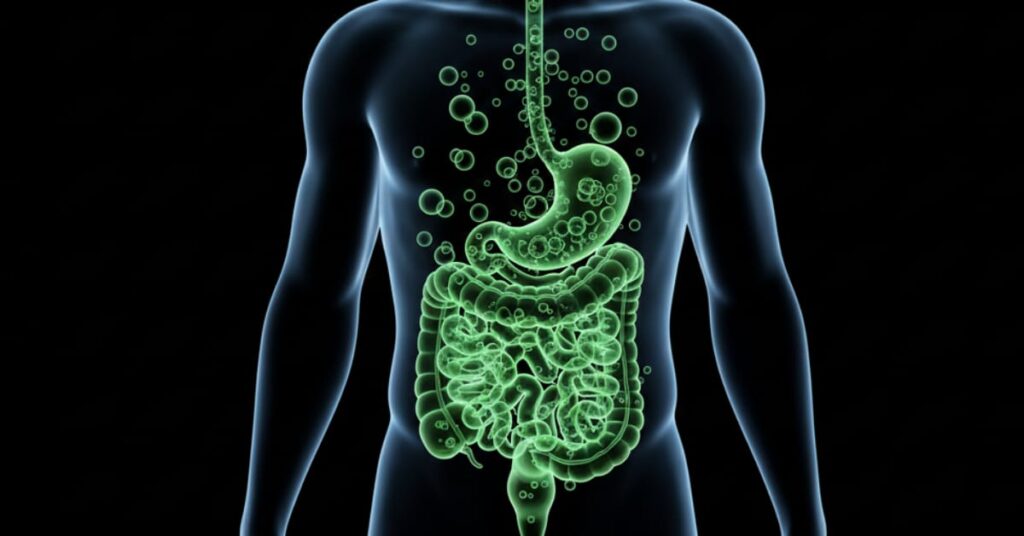
After a full month, the situation becomes impossible to ignore. Your abdomen may look visibly swollen as gas continues to build, turning your stomach into an inflating balloon no outfit can conceal.
Eating shifts from pleasure to challenge. Even small portions leave you nauseated and oddly full. This is your digestive system’s firm way of signaling that something is wrong. This trapped gas also disrupts peristalsis, the natural wave-like contractions of your gut. As a result, digestion slows dramatically, making everything feel heavier and more sluggish than ever before.
According to the Cleveland Clinic, this discomfort happens because rising pressure stretches the intestinal walls and triggers deep pain receptors. Your gut is protesting loudly, even if the complaint itself remains silent. By now, you may find yourself nostalgic for those awkward farts you once dreaded. They were never social enemies but vital pressure-release valves keeping your system sane.
One Year Later: When Trapped Pressure Starts Destroying Your Gut
Now imagine reaching the one-year mark without ever passing gas. At this stage, discomfort is no longer subtle or negotiable. Your abdomen stays visibly swollen most of the time, and abdominal pain becomes part of daily life. Some days it feels dull and heavy. Other days it sharpens enough to interrupt whatever you are doing.
Because gas and stool are no longer moving normally, constipation steadily worsens. Stools become hard, dry, and difficult to pass, turning a routine bodily function into a persistent struggle. What once felt like temporary bloating evolves into a continuous sense of internal strain that never fully settles.
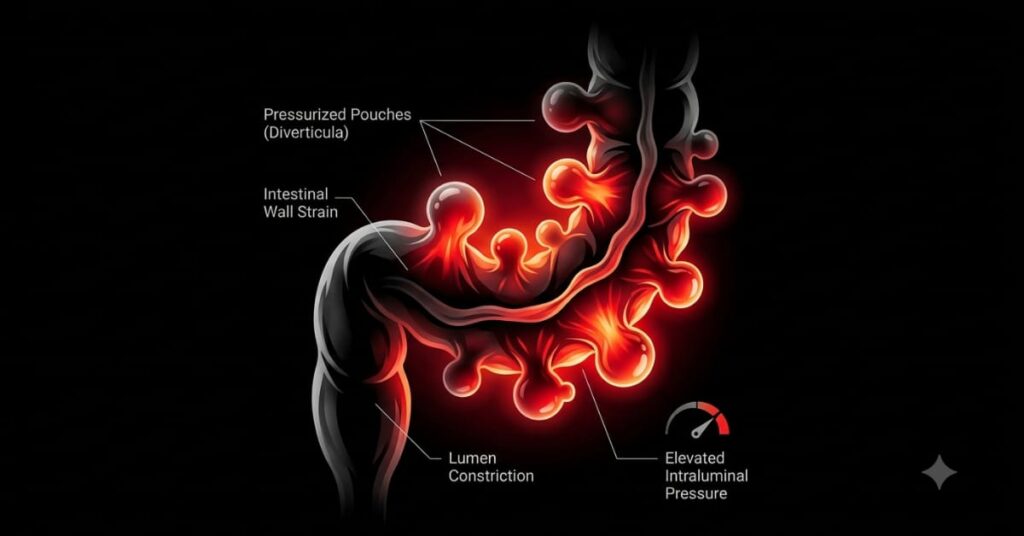
Over time, that ongoing strain begins to alter the structure of your colon. Small pouches form along the intestinal wall, a condition known as diverticulosis, which can progress into diverticulitis when those pockets become inflamed or infected. At that point, pain intensifies, and medical treatment is often required.
In more severe cases, prolonged gas retention combined with underlying digestive conditions can contribute to bowel obstruction, a serious complication that may require urgent medical attention. By now, your body is no longer compensating. It is failing under pressure it was never designed to hold.
By this point, farting no longer feels embarrassing. It reveals itself as a basic release mechanism your body needs to stay intact.
Reality Check: Can You Actually Stop Farting Forever?
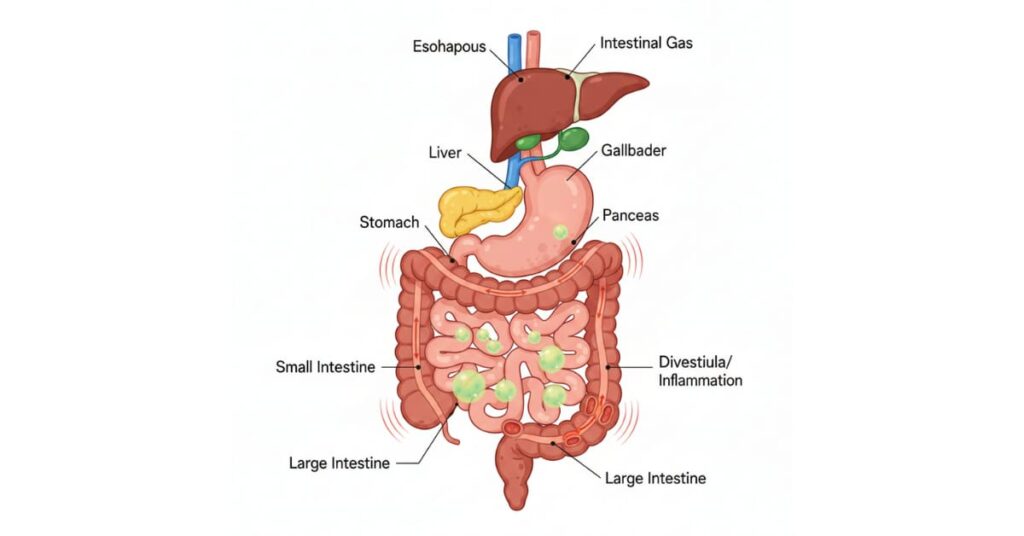
Before this becomes a full medical crisis, there is something worth knowing. Permanently stopping yourself from farting is physically impossible. Your body is built with safeguards that prevent pressure from building indefinitely.
As gas accumulates inside your digestive tract, your nervous system eventually forces a release to protect your organs, often while you are asleep and your muscles relax naturally. Yes, this means nighttime farts are completely normal. On average, a healthy person passes gas between 8 and 25 times a day, and those releases are not accidents or failures. They are automatic adjustments that keep your digestive system stable and functioning properly.
Trying to silence this process does not make your body healthier. It only suppresses signals your gut was designed to release.
Why Your Body Was Never Meant to Stay Silent
Farting is more than a social nuisance. It is a status report from a thriving internal ecosystem, proof that your gut bacteria are active and your digestive system is functioning exactly as it should. The next time your body speaks up in a quiet room, remember it is not embarrassing you. It is protecting you.
Sources
The following sources were consulted while writing “What Happens If You Never Fart Again?”
- Intestinal Gas
https://www.mayoclinic.org/symptoms/intestinal-gas/basics/causes/sym-20050922 - Why Do I Keep Farting and Do I Need to See a Doctor?
https://www.healthline.com/health/why-do-i-keep-farting - The images in this blog are created with the support of an AI tool and reviewed by the author.





Comments