

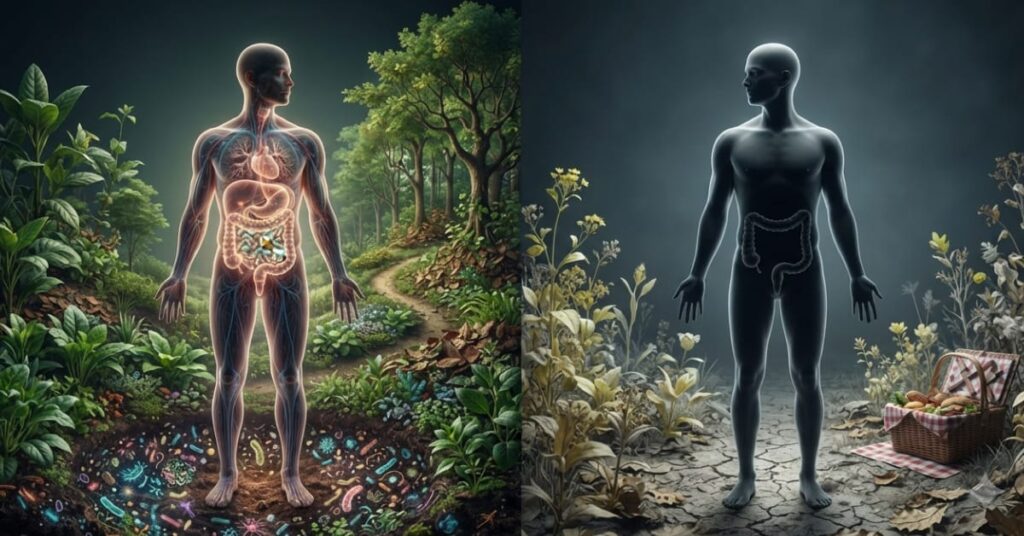
What if all bacteria suddenly disappeared? Discover how their loss could disrupt digestion, soil, food supplies, ecosystems, and human survival as we know it.
Your friends practically force you to stay for the sleepover, so you finally return home the next morning, already thinking about the things you left behind.
The milk. The cut fruit on the kitchen counter. Last night’s leftovers. Even the trash you forgot to take out.
You head straight to the kitchen, already worried about the milk you left on the shelf overnight. You pick up the carton, expecting the familiar sour smell, but there is nothing. The milk looks perfectly normal.
You check the fruit. Still fresh.
Then you lift the lid of the trash bin, almost expecting the familiar smell to hit you. Nothing.
You step outside, and the strangeness follows you. Last night’s rain has left the ground wet, but there is no earthy smell rising from the soil.
At first, you feel relieved. Maybe you simply got lucky.
Then you realize something is very wrong.
The things that normally spoil, sour, rot, or smell have suddenly stopped doing any of them.
Minutes to Hours: What Happens to Your Gut Without Bacteria?

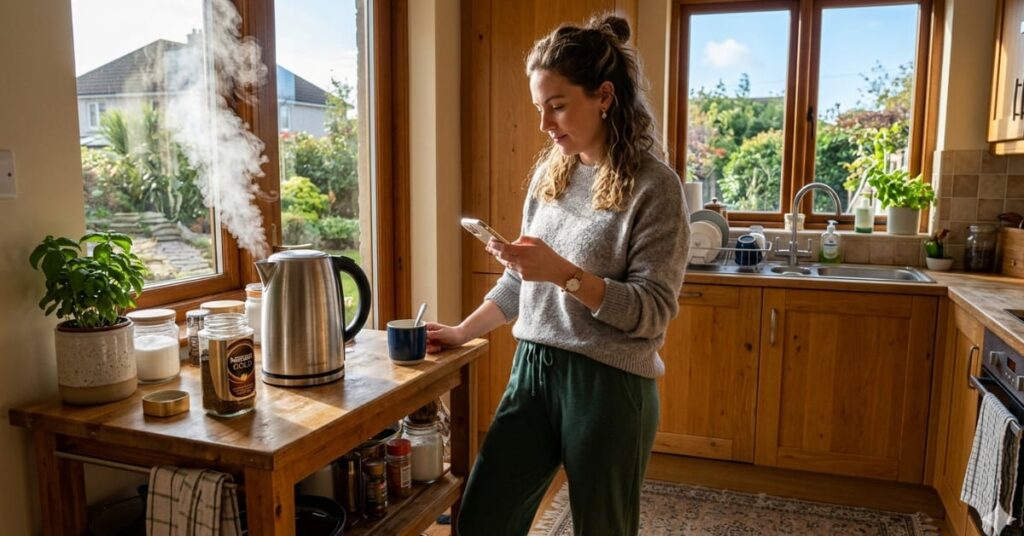
You move through your usual morning routine, sipping coffee while eating your breakfast of toast and a sunny-side-up egg. Everything looks normal, but the meal feels strangely heavy, as though your gut is taking longer than usual to process it.
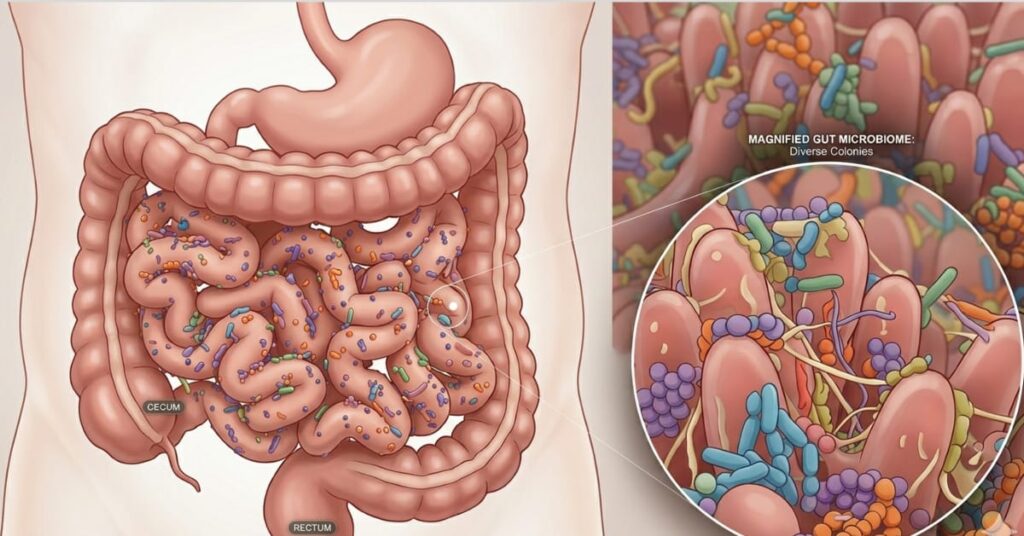
The reason is hidden inside the toast. Your body cannot fully digest many types of dietary fiber on its own, so gut bacteria normally ferment them and produce useful metabolites. With those bacteria suddenly gone, that microbial activity stops.
As the morning continues, your stomach feels fuller and your gut unusually sluggish. The breakfast has not changed. The invisible workers helping you process it have.
Hours to Day 1: How Your Body Loses Its Microbial Balance
The heaviness from breakfast still lingers, so you decide to go for your usual walk and hope some fresh air will make you feel normal again. After a short distance, however, your joints feel unusually stiff, and your body seems less comfortable with movement than it was yesterday.
Something deeper is changing. Your gut microbiome normally interacts with the immune system and helps regulate its responses. Without that microbial community, some of the signals involved in maintaining immune balance are suddenly missing.
By evening, the physical uneasiness is joined by something harder to explain. Your thoughts feel less settled, and a vague anxiety begins to creep in without any obvious reason. For a moment, the sensation is almost like the beginning of a panic attack.
The gut and brain constantly communicate through chemical and neural signals. When the microbial community disappears, that disruption may extend beyond digestion and begin affecting how the body feels as a whole.
And as the first day comes to an end, the problem is no longer just what your body cannot digest. It is also what your body is beginning to lose.
Days: Why Your Energy Starts Slipping Away

By the next day, the fatigue is harder to ignore. You are still eating your usual meals, but something feels different. Your body is no longer receiving the same support from its microbial community, and your energy begins to dip.
You notice it during ordinary tasks. Climbing the stairs leaves your legs heavy, carrying a grocery bag feels more tiring than it should, and the mental fog makes even routine work harder to finish.
Some gut bacteria also contribute to the production or availability of certain vitamins, including vitamin K and several B vitamins. Without that microbial support, your nutritional balance can begin to change, although the exact effects would depend on which bacteria disappeared and how long they remained absent.
Germ-free animal studies offer another clue. Mice raised without normal gut microbiota can require more calories to maintain body weight, suggesting that microbes influence how efficiently the body uses energy.
You keep eating, yet your body seems to be getting less from the same routine. The problem is no longer just a strange feeling in your gut. It is beginning to drain the energy you need to get through the day.
What Happens to Soil When Bacteria Disappear?
While your energy is fading, the world outside begins changing too. On a quiet weekend, you step into the backyard as you usually do, expecting the familiar green lawn and healthy plants. At first, everything looks normal, but the change is already beginning beneath the surface.
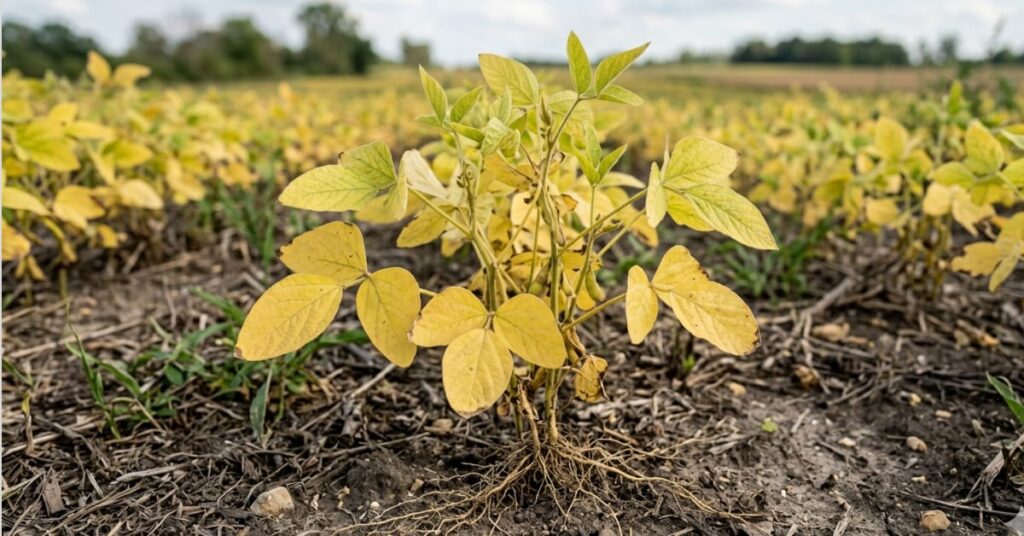
Soil bacteria drive essential nutrient cycles, including nitrogen fixation, which helps convert atmospheric nitrogen into forms plants can use. Without these microbial processes, plants gradually struggle to access enough usable nitrogen and other nutrients.
As the days pass, leaves begin turning pale yellow, growth weakens, and the plants you once barely noticed start looking increasingly fragile.
You may not see the bacteria disappearing, but you can eventually see what their absence does.
What Happens to Decomposition Without Bacteria?

As the weeks pass, the change becomes harder to ignore. The leaves you usually sweep from the backyard remain scattered across the ground instead of breaking down and returning nutrients to the soil.
Your kitchen trash is even stranger. Banana peels, vegetable scraps, and leftovers you threw away weeks ago are still there with barely any noticeable smell. Outside, fallen leaves and grass clippings begin piling up because the usual process of decay has slowed dramatically.
Without bacteria driving much of decomposition, the world starts keeping what it once knew how to break down.
Weeks to Months: How Bacteria Loss Could Collapse Ecosystems
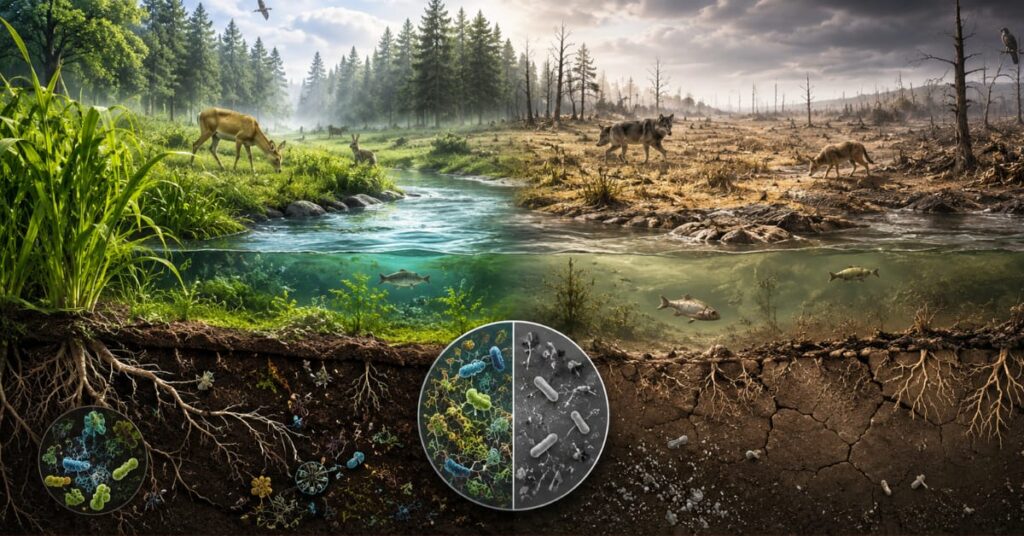
Weeks pass, and the damage moves beyond your backyard. Plants across fields and forests begin struggling as disrupted nutrient cycles make it harder for them to access what they need to grow.
You notice the change on a weekend drive. Fields that once looked thick and green appear thinner, while patches of forest seem increasingly sparse. As plants decline, herbivores lose food, and predators eventually feel the shortage too.
The same chain reaction spreads through aquatic ecosystems, where bacteria help recycle nutrients and support the base of many food webs.
What began as an invisible disappearance is now reshaping entire ecosystems. Remove the smallest workers, and the effects can climb all the way to the top.
How a World Without Bacteria Could Disrupt Food Supplies
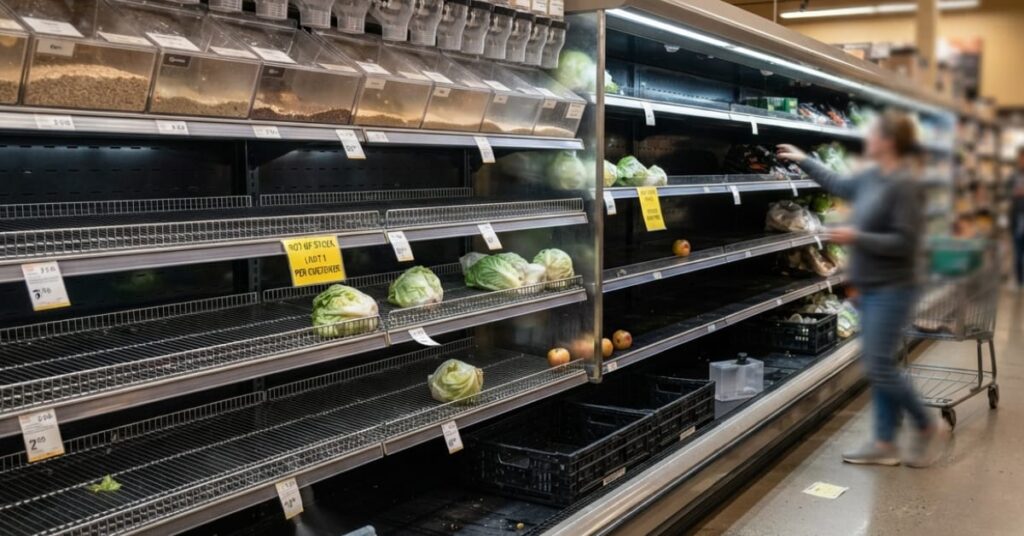
Months pass, and the change reaches the place where you notice it most: the grocery store. Shelves that once held fresh vegetables, fruit, and grains are becoming harder to keep stocked as struggling crops reduce food production.
At home, you start stretching whatever food you have left. The leftovers in your refrigerator last unusually long, but that strange abundance offers little comfort when fresh food is becoming scarce.
The effects extend beyond your kitchen. Farmers struggle with declining soil fertility, while disrupted nutrient cycles make each growing season harder than the last.
What began with an invisible loss inside your body has now reached your plate, your pantry, and the food systems keeping entire populations alive.
The Irony of a World Without Bacterial Infections
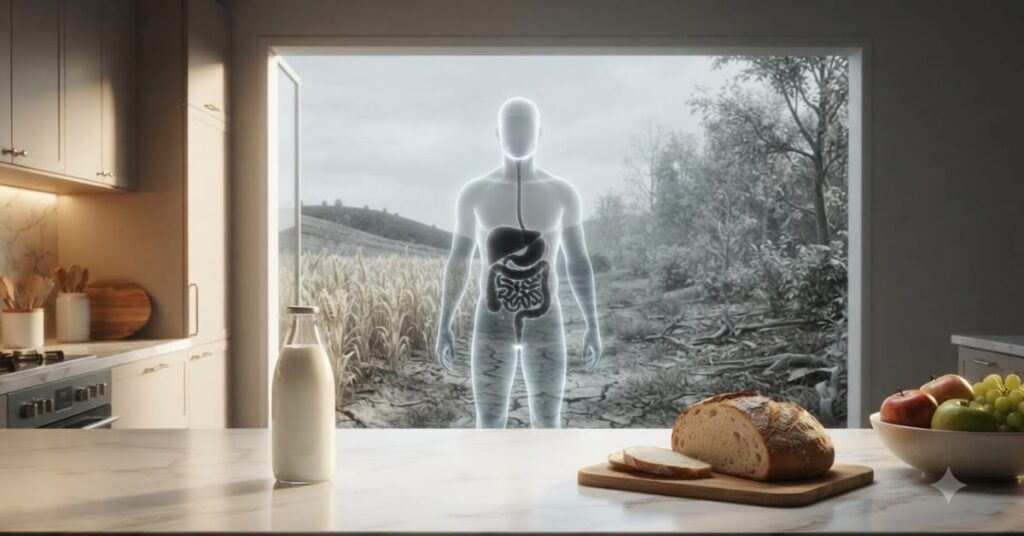
At first, the disappearance of bacteria seems like a victory. No bacterial infections. No sour milk. No mold creeping across forgotten bread. Everything looks cleaner and lasts longer.
But the apparent benefit hides a darker reality. Your body still depends on microbial partners, while farms and ecosystems depend on bacterial nutrient cycles. Eliminating harmful bacteria would also mean losing countless bacteria that perform essential functions.
You have eliminated one danger by removing part of the system that helps keep life running.
Reality Check: Could All Bacteria Really Disappear?
Hold on. This scenario is extreme. Bacteria are remarkably resilient, and some extremophiles can survive conditions that would destroy most forms of life. They inhabit deep-sea vents, frozen environments, and other places where survival seems almost impossible.
So a world in which every bacterium suddenly disappears is extraordinarily unlikely. The thought experiment simply reveals how deeply life depends on these microscopic organisms.
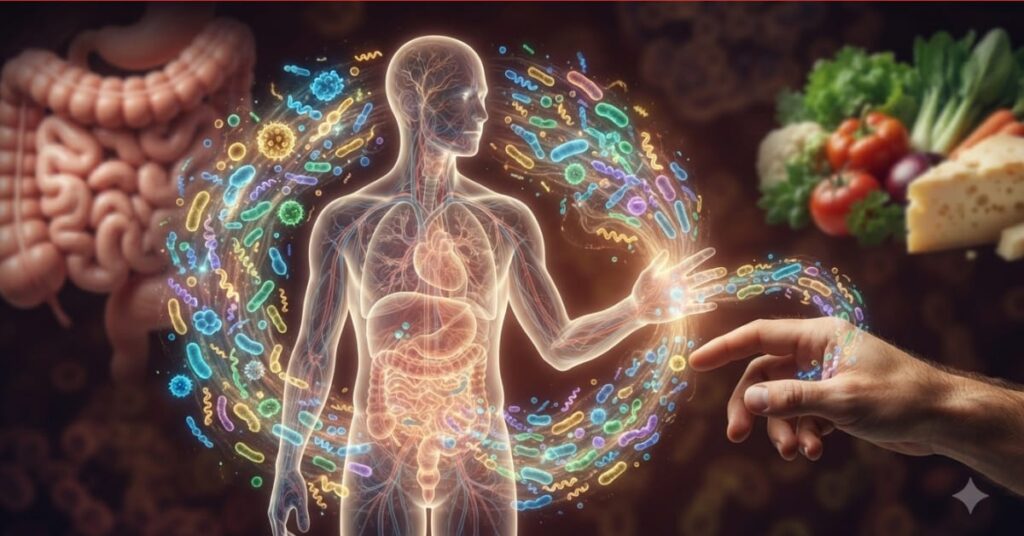
Our relationship with bacteria is not merely about avoiding harmful infections. Many are essential partners in our bodies, soils, oceans, and food systems.
We do not live despite bacteria. Much of life works because of them.
Why Humans Need Bacteria to Survive
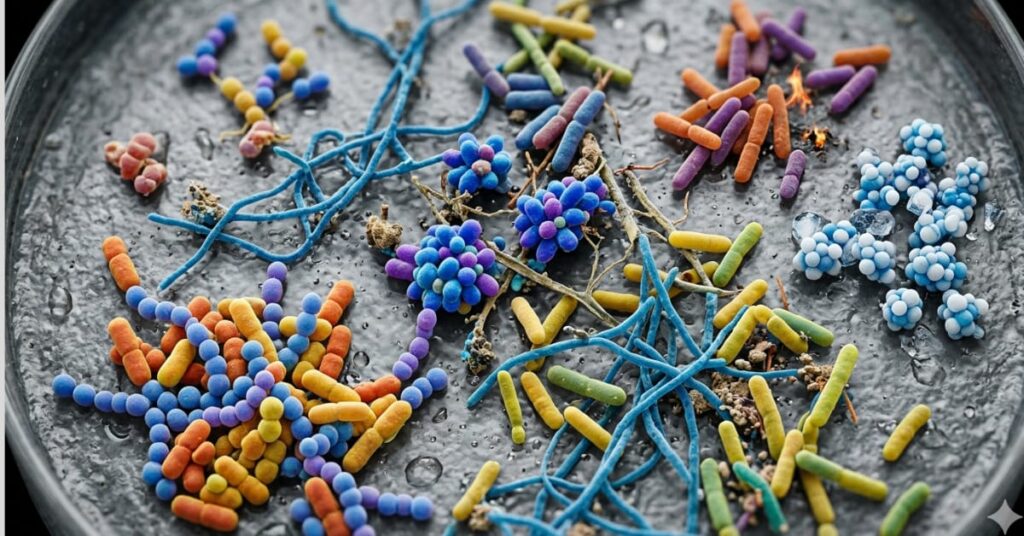
You never notice bacteria when they are doing their jobs. Your food grows, your gut functions, soil stays fertile, and ecosystems keep cycling nutrients without you giving any of it a second thought.
Remove them, and those ordinary processes begin to unravel, quietly at first, then faster than anyone expects.
The invisible world was never separate from your life. It was holding it together all along.
So here is a question worth sitting with: if you could save only one bacterial community, would you choose your gut or the soil that feeds you?
Sources
The following sources were consulted while writing “What If All Bacteria Suddenly Disappeared?”
- Gut Microbiome and Immune System Crosstalk in Chronic Inflammatory Diseases: A Narrative Review of Mechanisms and Therapeutic Opportunities
https://pmc.ncbi.nlm.nih.gov/articles/PMC12654787/#:~:text=2.2.&text=The%20gut%20microbiome%20can%20not,strategies%20for%20chronic%20inflammatory%20diseases - What if all microbes disappeared from the Earth? https://www.internationalmicroorganismday.org/blogs/what-if-all-microbes-disappeared-from-the-earth
- Bacteria in Food Chain
https://agmfoods.com/research/bacteria-in-food-chain/ - The gut microbiota in human energy homeostasis and obesity https://pmc.ncbi.nlm.nih.gov/articles/PMC4862197/
- What Would Happen if Bacteria Were Removed from the Biosphere?
https://www.news-medical.net/life-sciences/What-Would-Happen-if-Bacteria-Were-Removed-from-the-Biosphere.aspx - The images in this blog are created with the support of an AI tool and reviewed by the author.




Comments