

What if every star suddenly stopped shining? Discover how Earth, life, society, the economy, and the universe could change when starlight disappears completely.
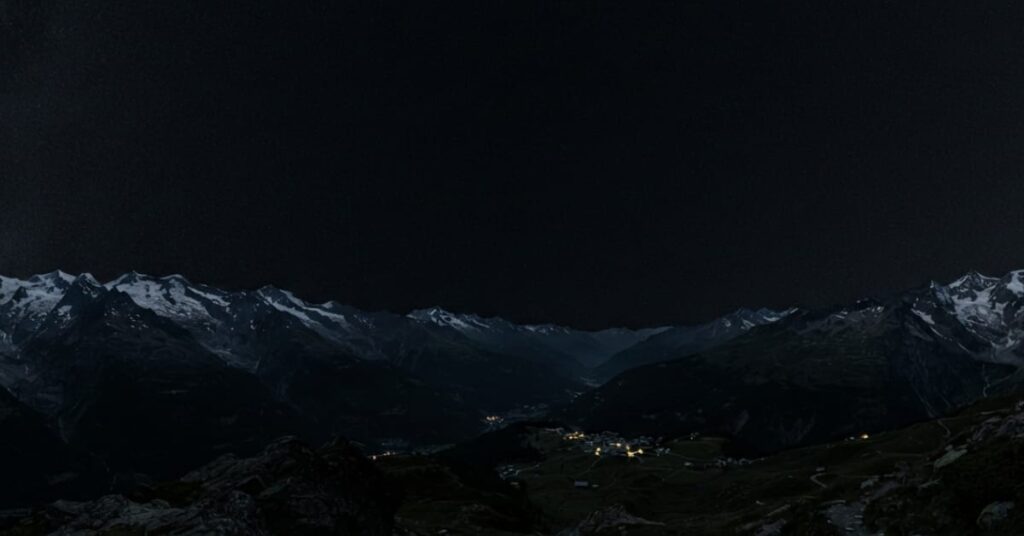
You are walking through the park after dinner when you look up at the night sky.
Something feels wrong.
The stars are disappearing.
You stop, expecting clouds to be hiding them, but the sky is clear. One by one, the familiar points of light fade away until the constellations are barely recognizable. Even the Moon has faded from view.
Then you realize this isn’t happening only above you.
Every star in the universe has suddenly stopped shining.
For a few moments, the silence of the sky is all you notice. Then a more unsettling thought crosses your mind: if every star has gone dark, what else is about to change?
And the answer begins much closer to home than you might expect.
What Would You See First?
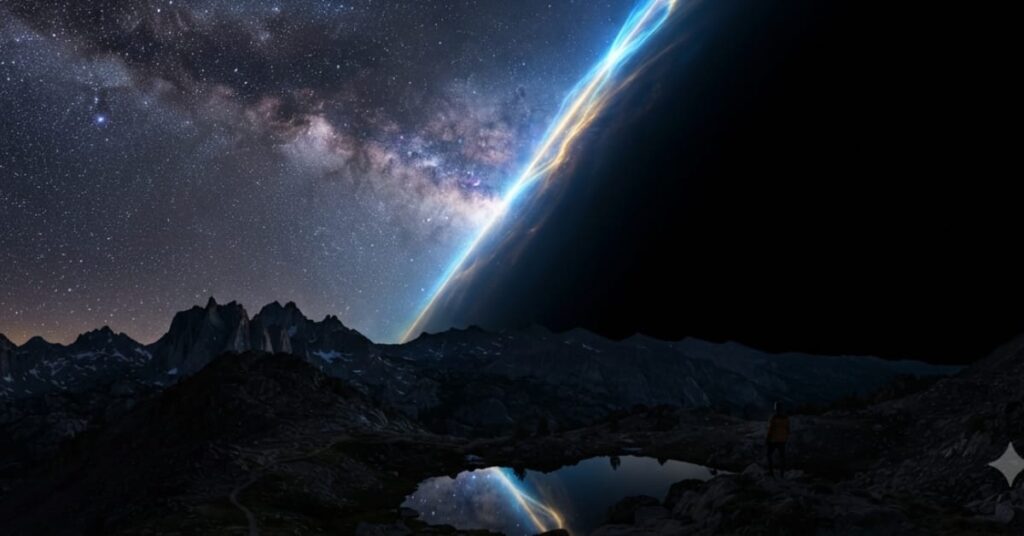
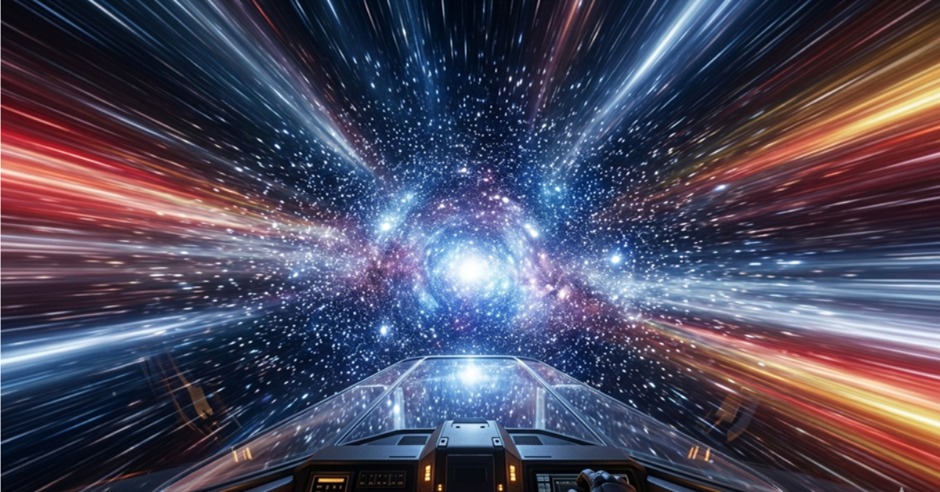
If the stars suddenly stopped shining, you would not watch the entire sky go dark at once. As you stand there looking up, some stars would continue appearing normal because their last light is still traveling toward you.
Starlight does not travel instantly. When you look at a distant star, you are seeing light that may have been traveling through space for years, centuries, or even longer. A star could therefore stop shining today while you continued seeing its old light for some time.
The farther away the star is, the longer that final light would take to reach you. Instead of the universe switching off like a room full of lamps, darkness would gradually spread across the sky at the speed of light.
Eventually, however, the familiar constellations would begin to disappear, leaving you staring at a sky that no longer looks anything like the one you knew.
What Does It Mean for Stars to Stop Shining?
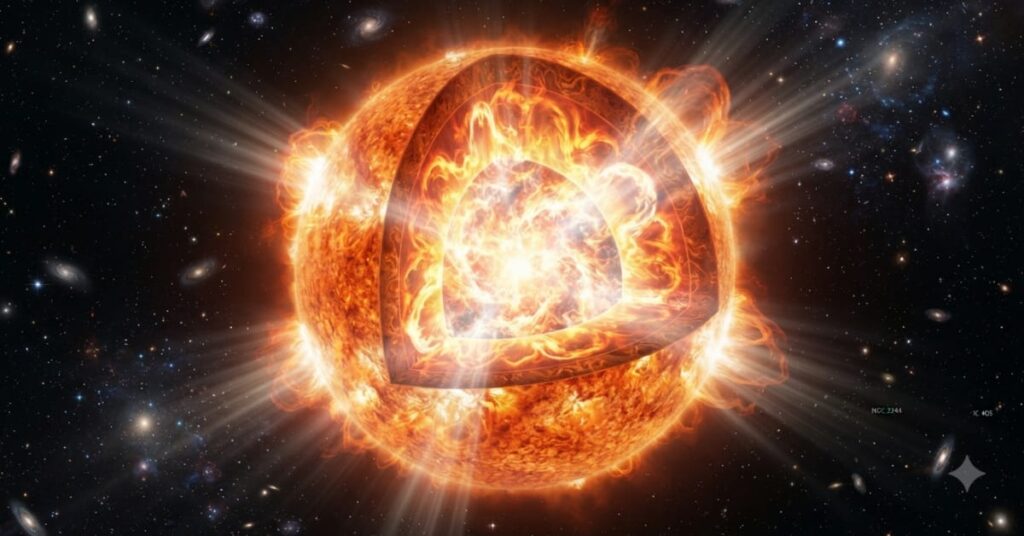
A star is not simply a giant ball of fire. Deep inside its core, extreme pressure and temperature drive nuclear fusion, releasing energy that eventually escapes as radiation, including visible light.
So if the stars stopped shining, something fundamental would have to interrupt the processes producing their stellar energy. For you, however, one star suddenly matters more than all the others.
The Sun.
What Happens When the Sun Goes Dark?
You wake up the next morning expecting sunlight through the curtains, but your room is still dark.
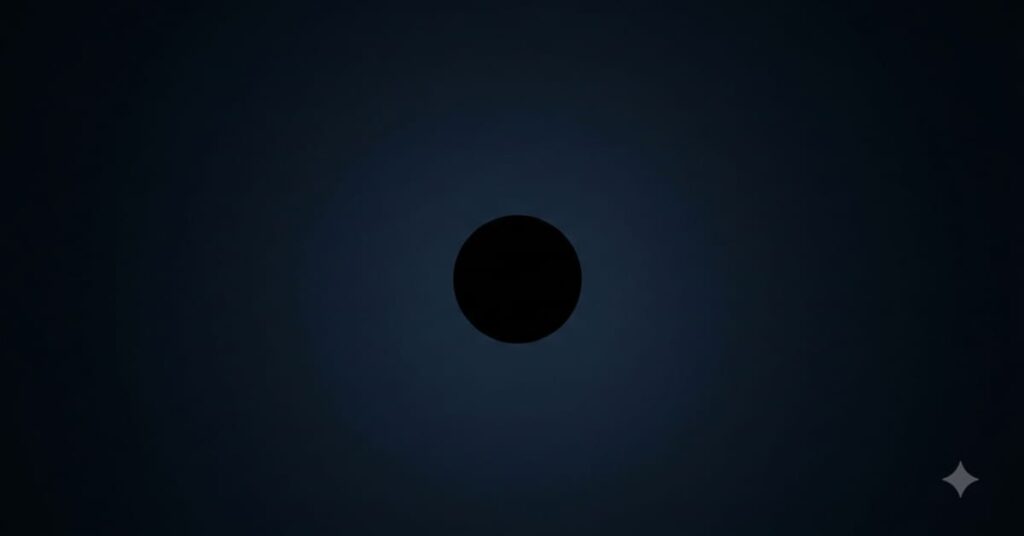
Exactly 8 minutes and 20 seconds after every star stopped shining, the Sun’s final light reaches Earth. You step outside, look up, and see the Sun as a cold, black circle against an otherwise empty sky.
The Moon and planets have faded from view because they only reflect sunlight, while the stars that once filled the sky are gone too.
But the darkness is not the only thing you notice. The temperature has already started falling, and the air feels noticeably colder against your skin.
For the first time, you realize that this is not simply a night without stars.
There will be no sunrise.
What Would Happen to Earth?
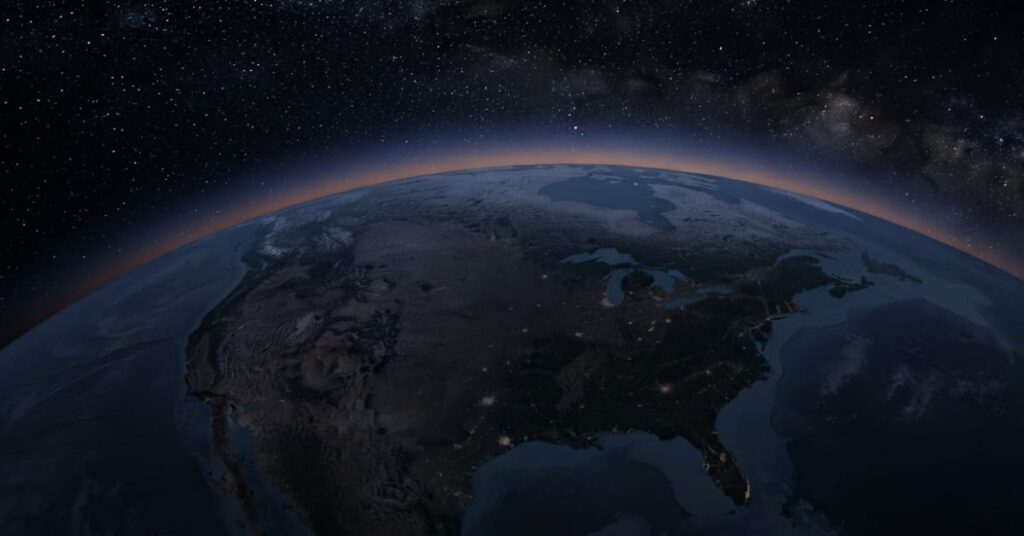
At first, Earth would still retain the heat it already has. But with the Sun no longer supplying energy, the planet would gradually lose more heat to space than it receives.
As days become weeks, photosynthesis stops, crops fail to produce new food, and fresh supplies begin running out. The effects spread through food chains as plants and the organisms that depend on them decline.
The oceans cool more slowly because they store enormous amounts of heat, while geothermal energy continues warming parts of the planet. But over months and years, the surface becomes increasingly cold and hostile.
Earth would not freeze instantly. Instead, you would watch the world change little by little, until ordinary life becomes increasingly difficult. It would be a planetary transformation far beyond scenarios such as what if all the ice on Earth melted, because here the planet would be losing its primary source of energy.
And that growing crisis would soon hit another part of your life: the economy.
What Would Happen to the Economy?
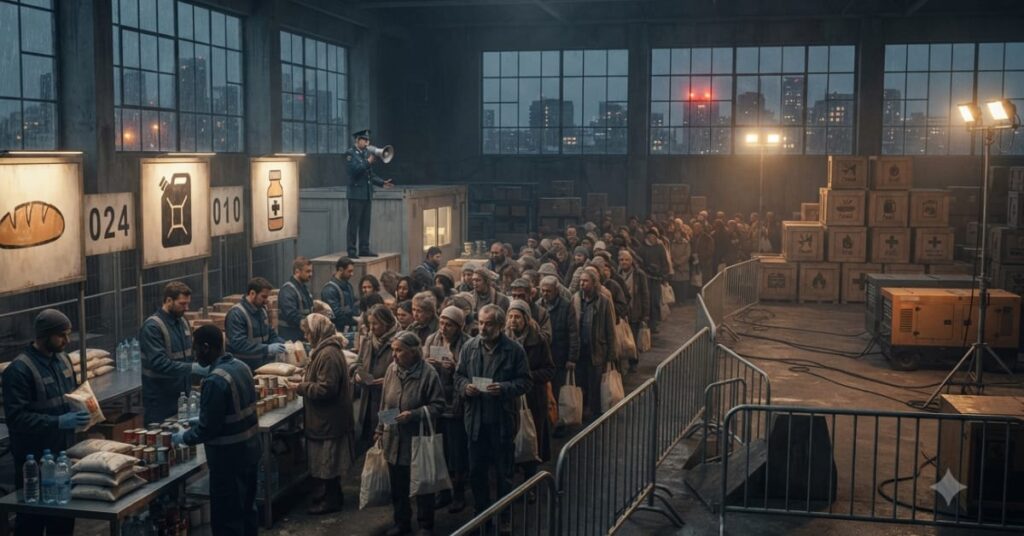
The first thing you notice at the store is the price of food.
As supplies shrink, prices climb. Governments begin rationing essentials, while households rush to secure whatever they can. At the same time, demand for electricity and fuel surges as people try to heat buildings, preserve food, grow crops indoors, and keep essential systems running.
Then the shock spreads. Factories struggle, transportation becomes harder to maintain, international trade slows, and millions of jobs tied to normal economic activity begin disappearing.
Money would still exist, and markets could still function, but their purpose would start changing.
Instead of asking how to make the economy grow, governments would face a much more urgent question:
How do you keep people alive?
How Would Society Change?
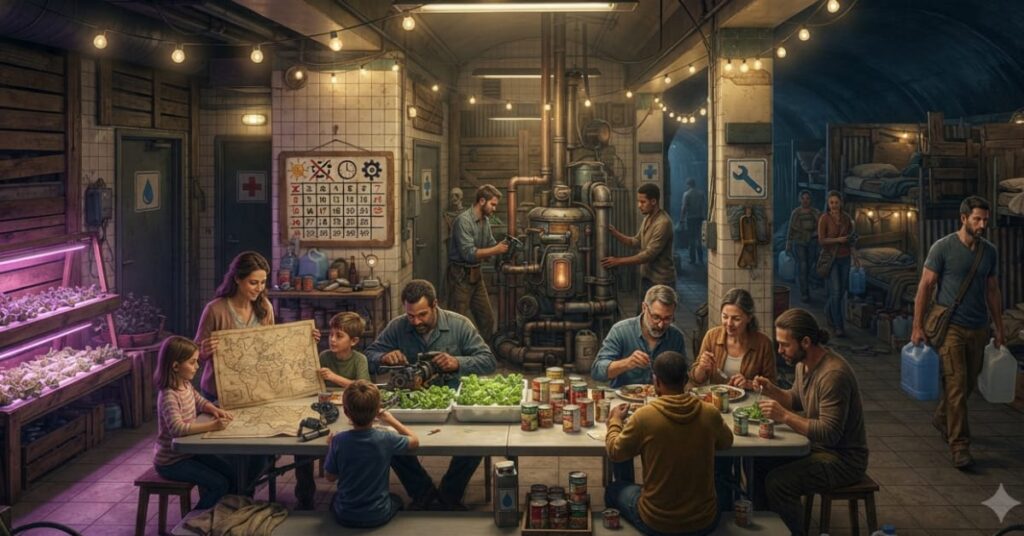
You soon realize that surviving is no longer just about having money. It is about where you live, what resources you can access, and whether your community can protect them.
Cities that depend on constant outside supplies could become increasingly difficult to sustain, pushing people toward places with reliable energy, protected facilities, or geothermal resources. Governments might impose strict controls on food, fuel, and movement as communities struggle to cope.
Your normal routine would disappear with them. There would be no sunrise to mark the beginning of a day, no natural daylight to guide daily life, and no night sky filled with stars.
Constant darkness would become the new normal, forcing people to depend on artificial lighting and controlled environments simply to maintain a sense of time and routine.
Some communities might fracture under the pressure. Others could become more cooperative, realizing that sharing resources and knowledge gives everyone a better chance.
Civilization would not necessarily end.
But the society you knew would.
And that change would begin affecting something much harder to protect: your mind.
What Would Happen to Your Mind?
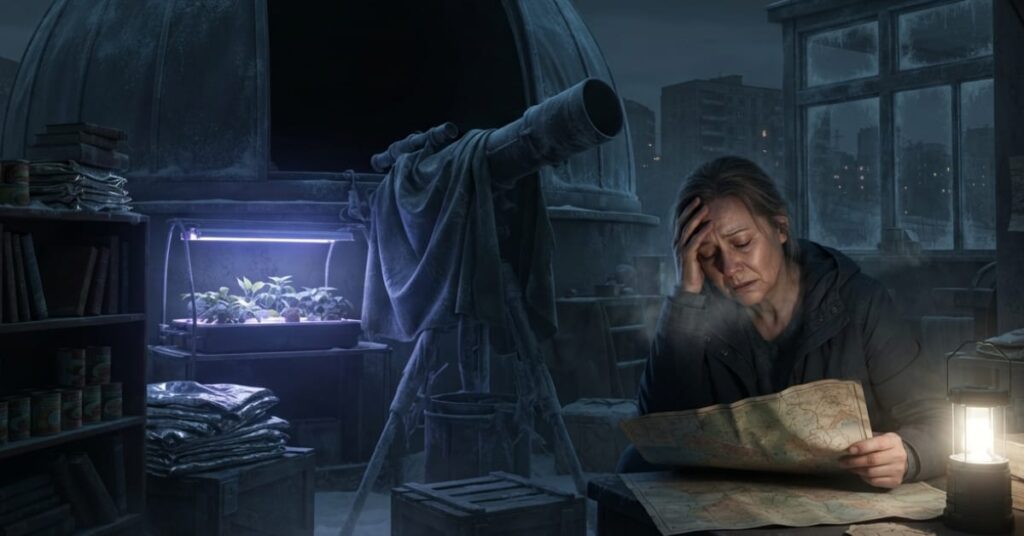
Imagine waking up without knowing whether the sky will ever become bright again.
The darkness itself would be frightening, but uncertainty could be worse. Your body relies on environmental cues to help regulate sleep and wakefulness, so without the normal cycle of daylight and darkness, maintaining a stable routine would become harder.
Then there would be the emotional weight of watching the world change around you. You would know that crops are failing, temperatures are falling, and the familiar sky is disappearing. Every ordinary activity could begin carrying a new question: how long can this continue?
Anxiety could become widespread, and for some people, the constant darkness and uncertainty could even trigger panic attacks, bringing sudden waves of intense fear, a racing heartbeat, rapid breathing, dizziness, or a feeling that something terrible is about to happen.
So could grief.
The stars have always been part of human culture, navigation, stories, calendars, religion, art, and scientific curiosity. Losing them would mean losing one of the oldest sights humans have shared.
Yet even in this seemingly hopeless scenario, life would not necessarily disappear everywhere.
Could Life Survive Without Starlight?
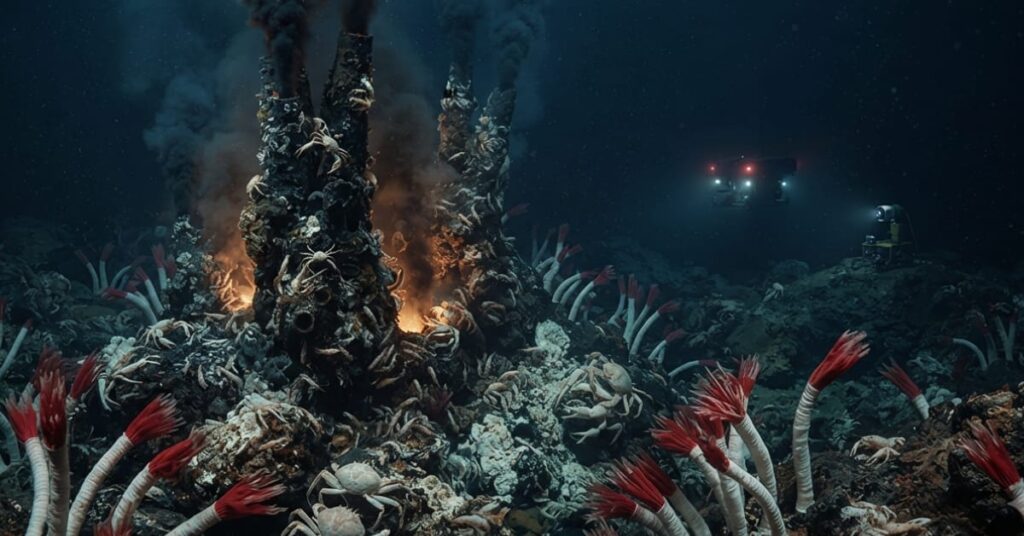
Most life on Earth’s surface ultimately depends on energy from the Sun. Plants and algae use sunlight for photosynthesis, and that energy then moves through food webs. Without it, this enormous biological system would begin to collapse.
But there is an important exception.
Deep beneath the ocean, ecosystems already exist where sunlight never reaches. Around hydrothermal vents, microorganisms obtain energy from chemical reactions rather than sunlight, supporting food webs of their own.
That means starlight is not the only possible source of energy for life. Unlike a scenario where all bacteria suddenly disappeared, the loss of starlight would not necessarily eliminate every microorganism.
In this dark world, some organisms could survive around geothermal environments, while humans might preserve others using artificial lighting, nuclear energy, and controlled environments.
The survivors would be those able to access another source of energy.
Would the Universe Become Completely Dark?
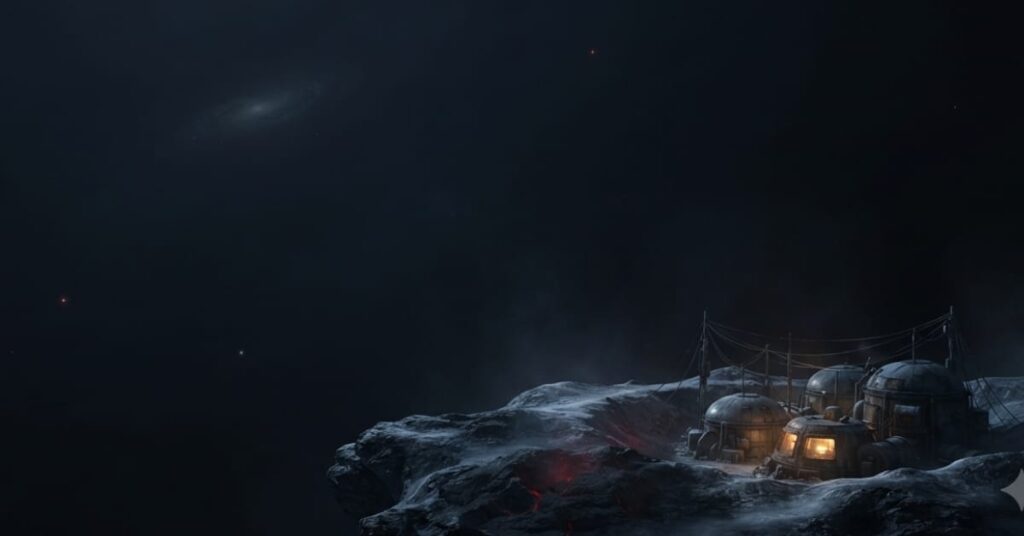
Eventually, the night sky would become almost unimaginably empty.
But darkness would not necessarily mean the complete absence of radiation. Heated matter, stellar remnants, planets, and other energetic processes could still emit some radiation, while artificial lights might continue wherever civilizations could maintain them.
The universe would therefore not become a perfect black void overnight. Instead, the familiar glow of stars and galaxies would gradually fade, leaving an increasingly dark and quiet cosmic landscape.
And if nothing restored stellar energy production, that darkness could persist for an extraordinarily long time.
What Would the Universe Look Like Millions of Years Later?
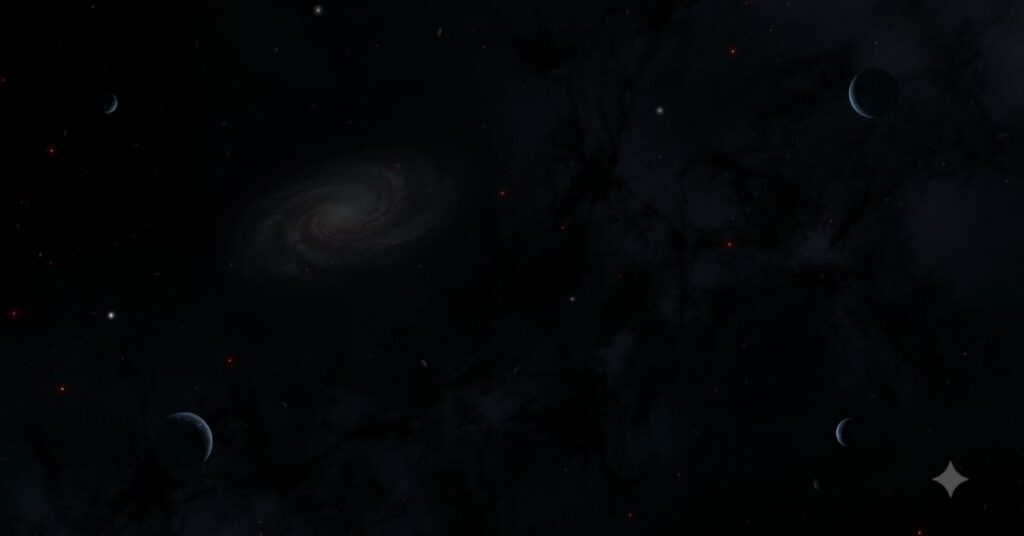
Millions of years later, the universe would be almost impossible for you to recognize.
The stars might still exist as physical objects, depending on what caused their light output to stop, but without their usual energy production, the cosmos would contain vast populations of dark or cooling objects instead of the brilliant stars you see today.
Planets would become cold worlds, while any surviving civilizations would depend on alternative energy sources and protected environments.
The great cosmic landscape that once appeared alive with stars would have become profoundly darker.
The universe would still exist. Space would still stretch across unimaginable distances, and matter would still be there.
Yet the light that made the cosmos visible would be largely gone.
Reality Check
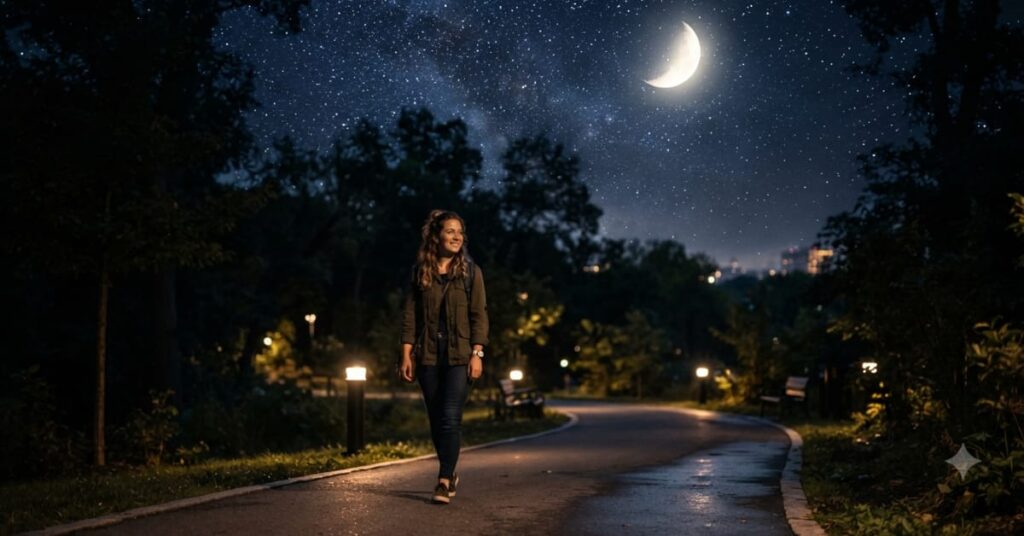
There is no known process that could make every star suddenly stop shining at the same moment. Stars are separated by enormous distances, formed at different times, and powered by complex physical processes, so this scenario is firmly a thought experiment, not a prediction.
And yet, one impossible change takes you surprisingly far.
You began with an ordinary walk through the park, looking up at the stars. You imagined them disappearing, then followed the consequences into your food, energy, economy, society, mind, and the future of the universe.
Now you walk back home.
You look up once more.
The stars are still there, quietly shining across the darkness.
And suddenly, an ordinary night sky feels extraordinary.
Sources
The following sources were consulted while writing “What If Every Star Suddenly Stopped Shining?”
- Star Basics
https://science.nasa.gov/universe/stars/ - How do stars shine?
https://www.skyatnightmagazine.com/space-science/how-stars-shine - How long it takes light from the Sun to reach Earth
https://www.skyatnightmagazine.com/space-science/how-take-light-from-sun-reach-earth - Our Sun: Facts
https://science.nasa.gov/sun/facts/?utm_source=chatgpt.com - The images in this blog are created with the support of an AI tool and reviewed by the author.


Comments