

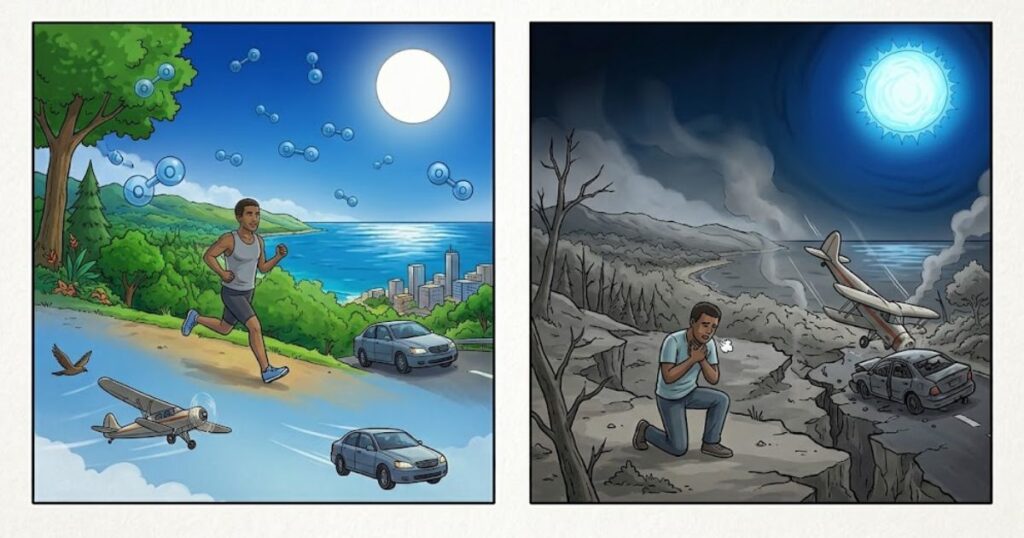
What if oxygen started disappearing from the atmosphere? Breathing changes, engines stall, and life falters as the air quietly turns fragile.
You are standing by an open window after dinner, barely aware of your breathing as air moves in and out without effort. The curtain shifts in the evening breeze, a car passes somewhere outside, and the room feels as usual.
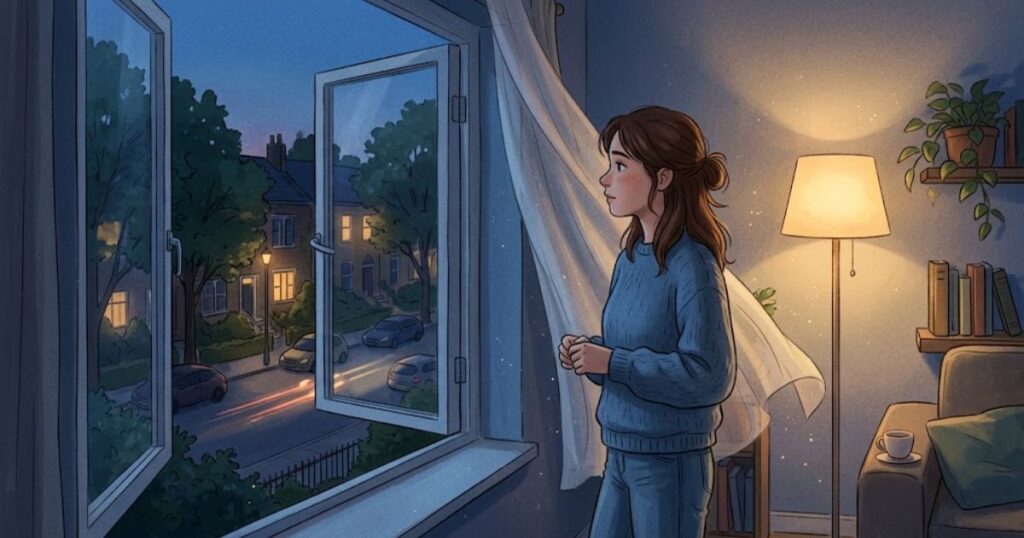
Then your next inhale catches your attention.
You draw in another breath, a little deeper this time, waiting for the familiar ease to return. It does, but not quite in the same way. You pause beside the window, take one more breath, and start wondering what could make ordinary breath feel different without changing anything you can see.
With every breath, air reaches your lungs, where oxygen passes into your blood and is carried throughout your body. You rarely have any reason to think about that exchange because the atmosphere normally supplies it without interruption.
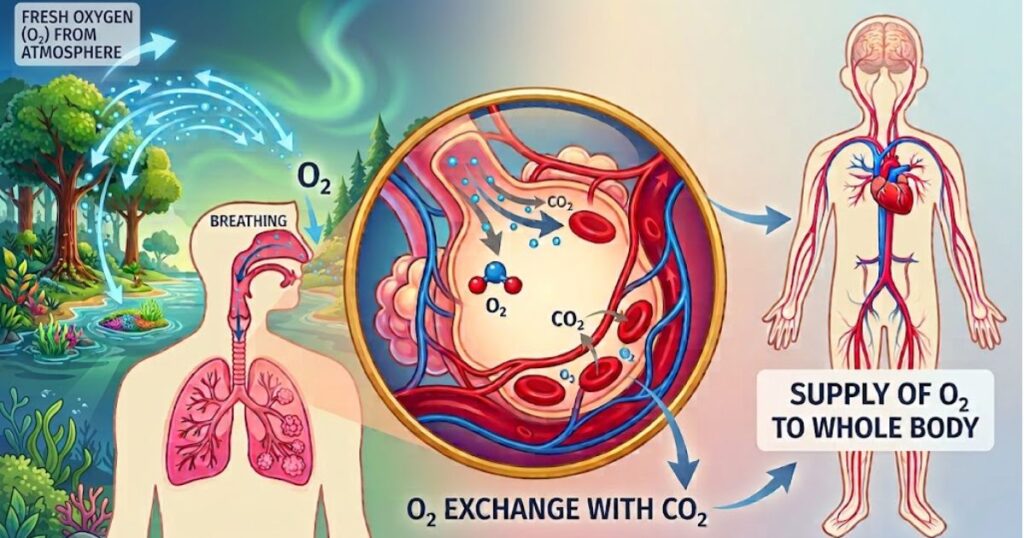
But what would happen if oxygen began to disappear from the atmosphere? The shift would eventually reach you through the very process you repeat every few seconds.
Hours In: Breathing Feels Heavier
You walk across the room to see whether the sensation follows you. The distance is short, yet you breathe a little more deeply by the time you reach the table, then pause there before trying again.
Your chest rises a little faster than before.
The air still reaches your lungs with every breath, carrying the oxygen your body depends on. Normally, that supply remains steady because oxygen makes up about 20.9% of Earth’s atmosphere. As its concentration falls, each breath delivers less oxygen, so your body has to work harder to obtain what it needs.
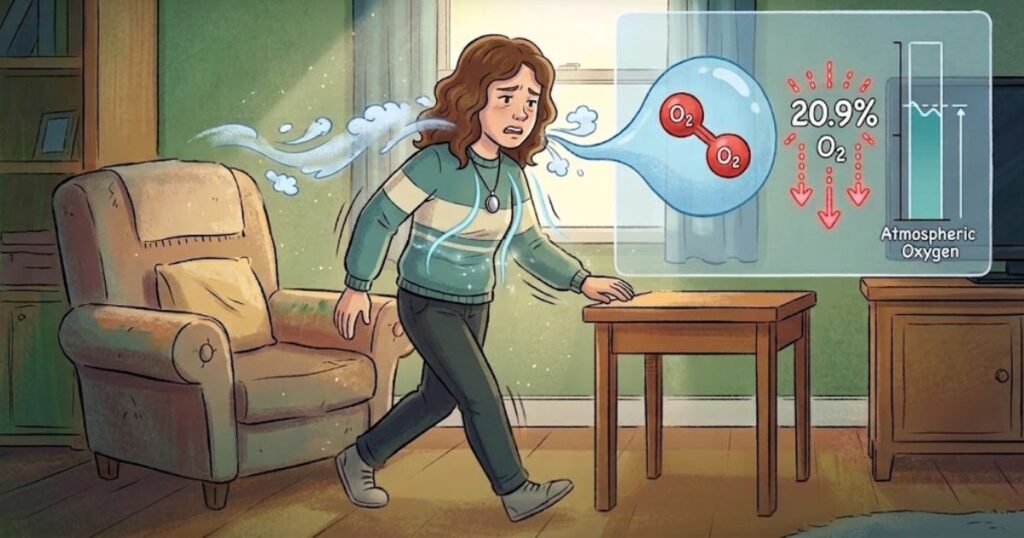
You sit for a moment before returning to what you were doing, but the extra effort remains noticeable whenever you take a fuller breath. As the evening passes, you stop testing it and let the night continue around you.
Day One: Movement Starts to Strain
By morning, the change meets you in a different way. You pick up a familiar load and head toward the staircase. The first few steps feel ordinary, but halfway up, your pace slows, and you stop with one hand against the wall.
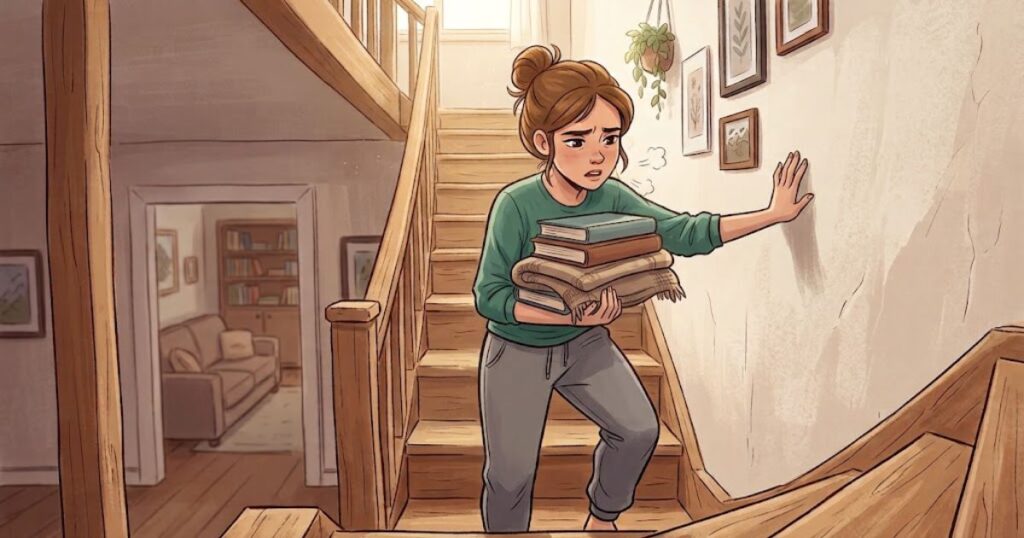
You wait, then continue upward, noticing that the effort now reaches beyond your breathing. At oxygen levels below 19.5%, the atmosphere is considered oxygen-deficient, and further reductions can affect coordination and thinking.
You reach the top, but instead of moving straight into the next task, you remain there for a few seconds, your body slow to respond. Even crossing the room takes longer than it normally would.
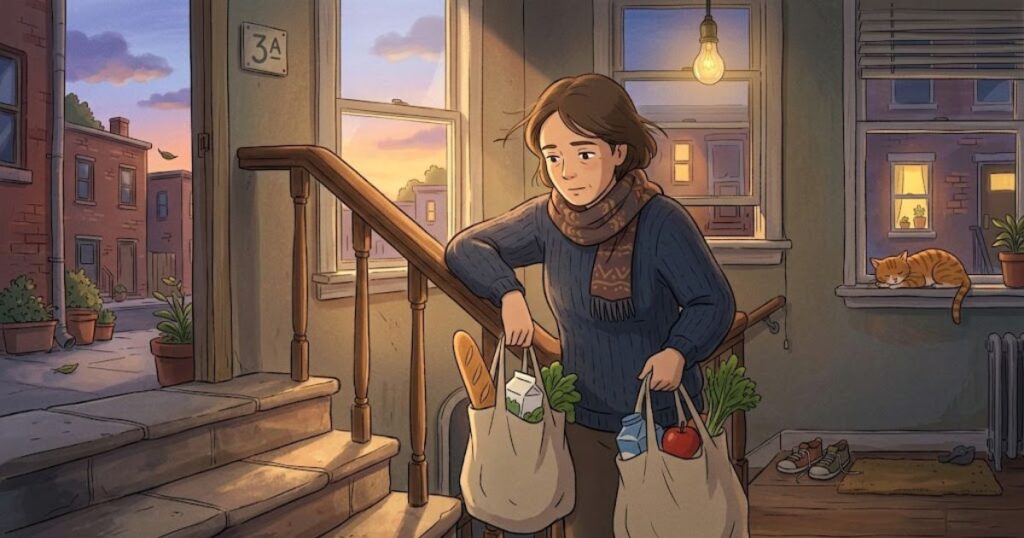
Later, you head out for groceries and carry only a few bags at a time, taking the easier route home as the distance stretches ahead. Near the end of the street, an engine starts nearby, and the sound catches your attention in a way it never has before.
Later That Day: Engines Begin to Fail
The car passes you and continues down the road, but its engine soon begins to lose power. You watch it slow near the curb until the sound cuts out.
You keep walking toward home when another engine starts farther along the street. It runs unevenly, moves only a short distance, and then stops as well. Combustion, like your own breathing, depends on a steady supply of oxygen, and once that supply drops too low, the flame weakens and eventually fails.
Inside, you put the groceries down and turn on the stove. The flame appears, then struggles to hold itself, flickering thin and blue before going out. You do not try again.
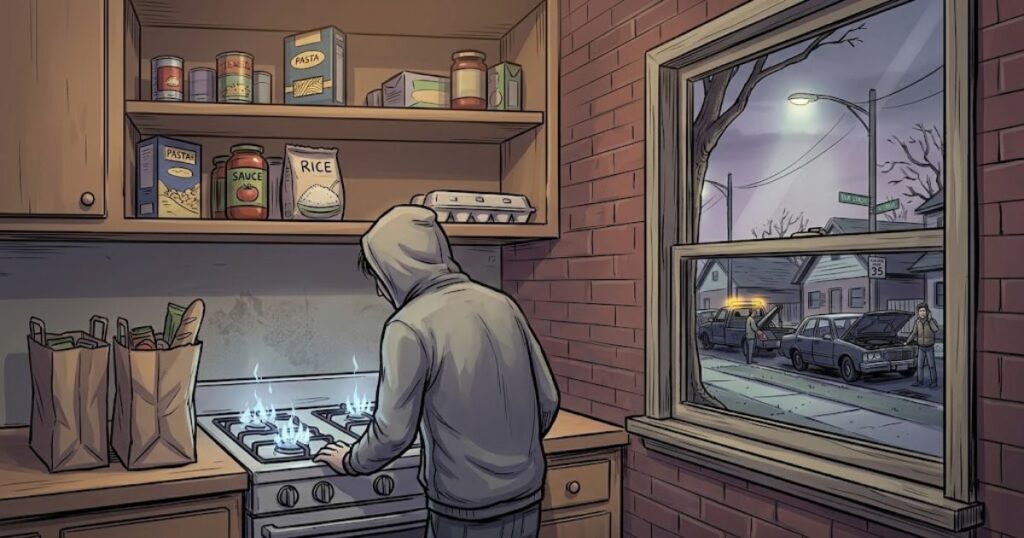
By the time you reach the window, you steady yourself against the frame, surprised by how much effort the short distance requires. The same drop that silenced the engines outside is already reaching you: your thoughts feel a step behind your movements, and the short walk from the stove suddenly asks more of you than it should.
Day Two: Life Begins to Falter
By the next day, that unease has not gone with rest. You leave the street and head toward the open ground beyond the houses, moving more slowly than you intend. The first thing you notice is the absence of birdsong. Trees that once carried fresh growth now show fewer new leaves, while the grass beneath them has stopped spreading into the bare patches around it.
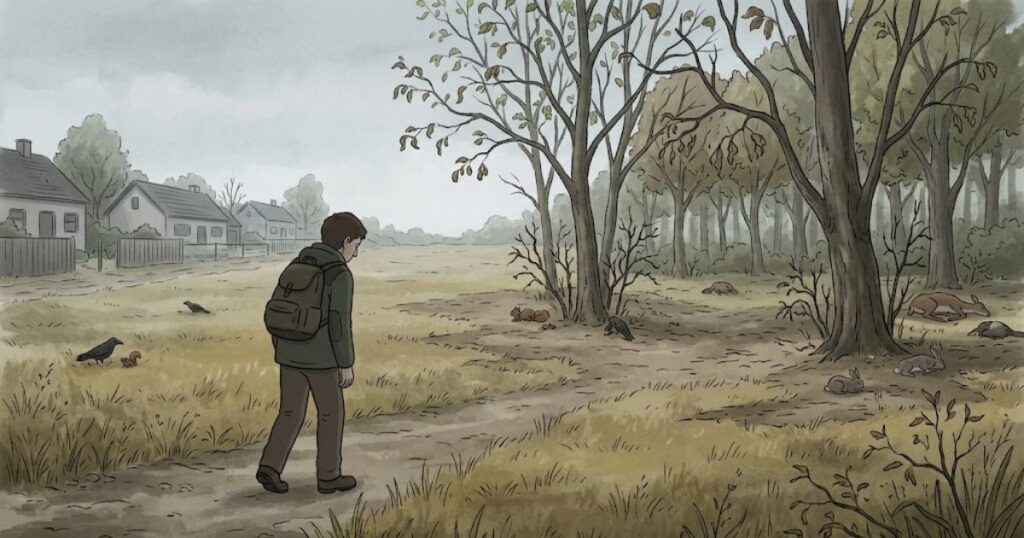
Farther ahead, you find animals lying where they have stopped moving. There is no sudden collapse around you, only fewer signs of life with every step you take. As oxygen becomes severely depleted, animals cannot maintain normal respiration, and plants face an atmosphere far outside the conditions in which they normally grow.
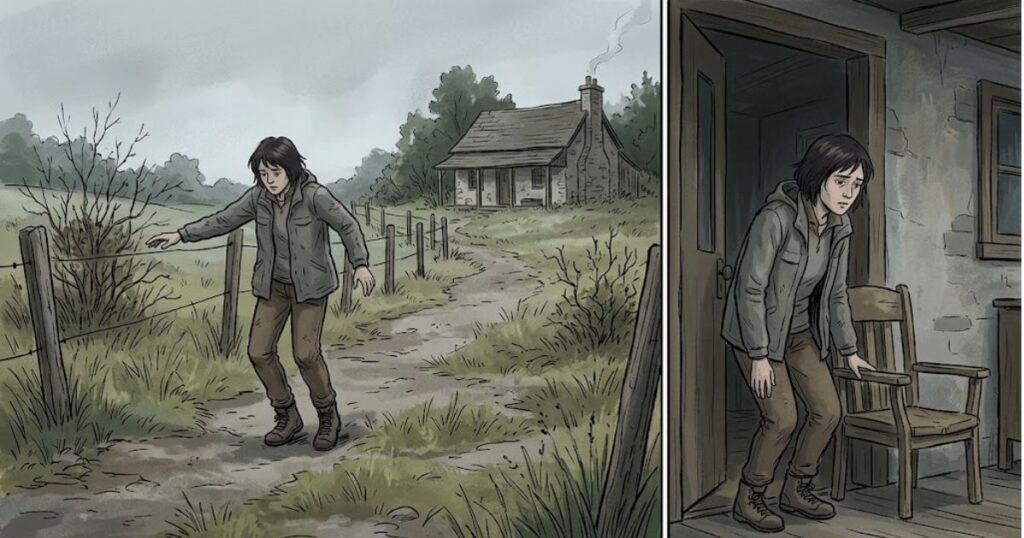
Your own coordination is faltering in step with theirs. At 10% to 14% oxygen, you experience severe impairment of judgment and balance, and your legs already feel like they belong to someone else. You turn back toward home while you can still find the way, one hand trailing along fences you no longer trust yourself to walk past without.
You reach your door and lower yourself into the nearest chair, breath shallow, unwilling to test how much further this could go. The loss that began in the air has reached everything living alongside you, including, now unmistakably, yourself.
Reality Check: Earth’s Oxygen Is Not Disappearing
You stay in the chair for a moment, take another breath, and the thought that brought you to the window returns: how much is the atmosphere actually changing?
The Scripps O₂ Program has tracked atmospheric oxygen for decades, and its measurements show a decline of roughly 0.032% since 1992, most of it linked to fossil-fuel combustion, which consumes oxygen as coal, oil, and natural gas burn.
That tiny decline sits inside a much larger, ongoing exchange: plants photosynthesize and release oxygen, while respiration and combustion consume it and return carbon dioxide. NASA’s explanation of the carbon cycle traces this balance across the atmosphere, land, and oceans, and it’s that balance, not a runaway loss, that keeps oxygen levels this stable.
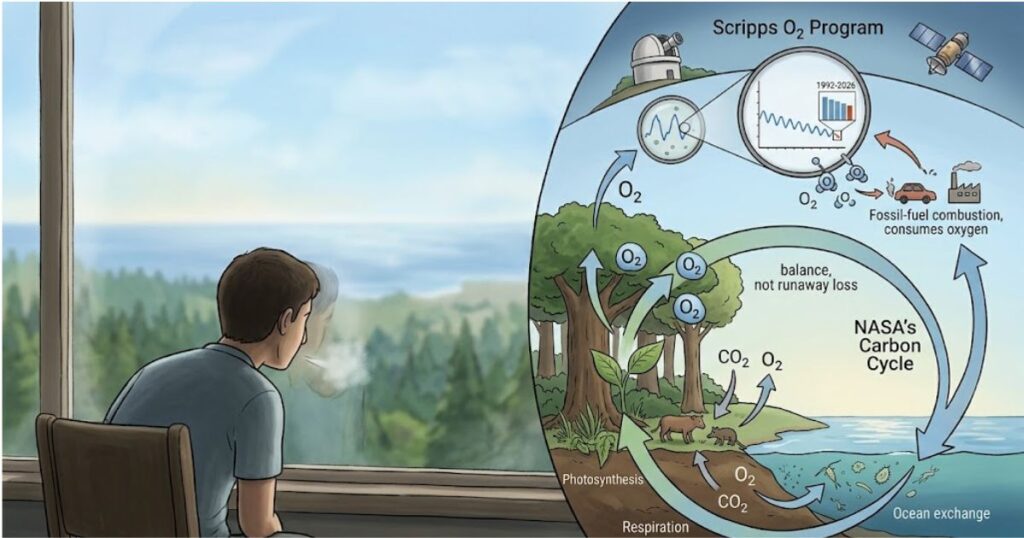
The measured change is far too small to affect human health, and nothing in that record resembles the scenario just described. A drop severe enough to stall engines within days would mean the air itself had already turned dangerous, and nothing in the real, measured decline comes close to that.
The real decline is so small that your next breath gives no indication of it at all.
The Air Around You: What Keeps Life Going
You return to the open window where the question first begins. The curtain moves in the evening air, a car passes outside, and the room remains familiar.
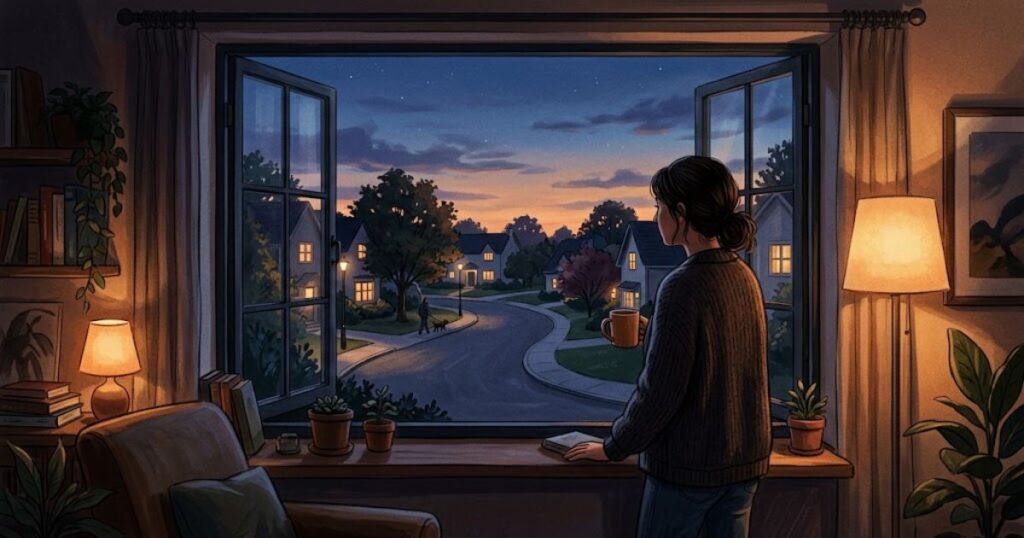
You take another breath and let it pass naturally. Nothing feels different, yet that simple exchange now carries a different weight after everything you have noticed.
You stay beside the window, looking toward the same street. The air remains invisible, connecting every breath to the plants, oceans, land, and living things around you.
Outside, nothing appears unusual. The street continues as it always does, and the atmosphere remains in the same steady balance it always has.
You take one more breath before turning away from the window, aware that the air you rarely notice is carrying far more than your next breath.
Sources
The following sources were consulted while writing “What If Oxygen Started Disappearing from the Atmosphere?“
- Oxygen cycle
https://www.sciencefacts.net/oxygen-cycle.html - Oxygen on Earth is running out
https://www.skyatnightmagazine.com/news/oxygen-on-earth-is-running-out - What happens if oxygen disappeared for 2 minutes from Earth?
https://www.quora.com/What-happens-if-oxygen-disappeared-for-2-minutes-from-Earth - Signs and symptoms of oxygen deficiency
https://ehs.vt.edu/programs/occupational-safety/confined-spaces/oxygen-deficiency.html - The images in this blog are created with the support of an AI tool and reviewed by the author.





Comments